
Buy Ozempic Semaglutide Online: Best Prices and Pharmacy Options
Ozempic Pricing and Monthly Costs
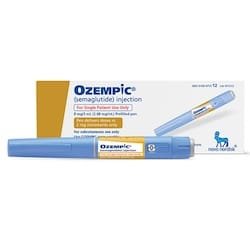
Managing the cost of modern medication can feel like wandering through a fog without a compass. Many patients deal with price tags that seem to shift constantly. When you are managing a chronic condition, knowing exactly what you will owe each month is vital for staying on track with your treatment.
The cost of Ozempic isn’t a single, fixed number for everyone. Instead, it depends on your specific dosage and the savings programs you qualify for. You must be able to distinguish between legitimate pharmacy pricing and the fraudulent offers found in the darker corners of the internet.
Auditing your options can save you significant stress. Whether you are paying out of pocket or using manufacturer assistance, knowing the price breakdown ahead of time prevents surprises when the bill arrives. Here is what those monthly costs actually look like.
Self-Pay and Dosage Variations
For those paying out of pocket, the price depends on the strength of the medication you are prescribed. Much like a custom suit, higher specifications lead to a higher bill. Entry-level costs might be manageable, but they can climb as your titration progresses.
Current market rates for self-pay users vary widely. Depending on whether you use a specific savings offer or standard retail pricing, your monthly commitment might land anywhere from $149 to $499. Because of this variance, you should always check your specific prescription against a pharmacy’s current rate sheet.
The term “self-pay” means different things to different people. Some use direct pharmacy pricing, while others rely on tiered structures offered by manufacturers. Always verify if the listed price includes shipping or if there are hidden fees below the advertised rate.
Below is a breakdown of how these costs typically distribute across different service levels and pricing structures:
| Pricing Category | Estimated Monthly Cost | Primary Condition/Context |
|---|---|---|
| Basic Self-Pay | $149 | Varies by dose |
| New Patient Offer | $199 | 0.25 mg or 0.5 mg doses |
| Standard Savings Rate | $349 | 0.25 mg, 0.5 mg, or 1 mg |
| High Dose Rate | $499 | 2 mg dose |
NovoCare Savings and Starter Programs
If retail prices are too high for your budget, NovoCare provides several savings opportunities. These programs make treatment more accessible, though they often come with fine print that requires careful reading. Because these aren’t “one size fits all” solutions, you must check your eligibility first.
For those just starting, a $25 monthly starter program can provide a significant cushion. This allows patients to pay as little as $25 per month for a limited time, which helps while adjusting to a new medical regimen. Keep in mind that this is typically capped at a maximum savings of $100 per month.
Eligibility can be a hurdle because certain groups are excluded. For example, government beneficiaries are generally ineligible for these specific manufacturer-sponsored savings. Always consult the official terms to ensure you aren’t applying for assistance you cannot receive.
These savings are not permanent. Most offers are subject to change or may expire, such as certain tiered offers set to run through the end of 2026. Monitor your pharmacy communications so you aren’t caught off guard when a promotional period ends.
Risks of Buying Semaglutide Without a Prescription
Chasing a bargain online can be dangerous. When it comes to semaglutide, the stakes involve your physical safety, not just your finances. Many rogue websites promise incredible deals but deliver nothing more than a headache and a wasted bank account.
The “no prescription required” label is a trap that leads many into dangerous territory. While legitimate pharmacies follow strict protocols to protect your health, unregulated vendors operate in a legal gray area. They often bypass the medical consultations required to prevent serious adverse reactions to potent medications.
A prescription is a safety gatekeeper. Without it, you are essentially playing doctor with chemicals that fundamentally alter your metabolic processes. A shortcut might seem tempting, but the long-term biological costs are often far too high.
The Peril of Counterfeit and Impure Products
Ordering a high-end smartphone only to find a plastic imitation is a common frustration; the same is true for semaglutide from illicit sources. Many of these products are “falsified,” meaning they look authentic but contain none of the active medication you need.
The substance inside the vial is often a gamble. Recent analyses of illegal samples have revealed terrifying discrepancies in purity. While legitimate products meet exact pharmaceutical standards, rogue samples have shown purity levels as low as 7% to 14%. You may be paying for an expensive, ineffective liquid.
In some cases, samples contain significantly more semaglutide than the label indicates. One study showed users receiving up to 39% more than the intended dose. This unexpected spike can lead to severe side effects and medical emergencies caused by accidental overdose.
Contamination is another major risk. Some test-purchased samples showed elevated levels of endotoxins. Even without visible bacteria, these microscopic impurities can trigger a massive inflammatory response. Buying from an unverified source is a gamble with your internal biology.
Regulatory Warnings and Global Alerts
Authorities are actively monitoring this growing market. The FDA and the World Health Organization (WHO) have issued stern warnings regarding the surge in unregulated pharmacies. These agencies have identified numerous websites selling unapproved and misbranded versions of semaglutide.
Several specific websites have already received official FDA warning letters for unlawful sales practices. These companies often use deceptive marketing to imply that their products are safe without medical oversight. Their operation in the shadows makes it difficult for consumers to verify legitimacy.
The consequences of these sales are real. US poison centers have reported a 1500% increase in calls related to injected weight-loss drugs. This spike highlights a public health crisis driven by the availability of dangerous, non-prescription options online.
To ensure you receive genuine medication, stick to verified channels. You can find more information on how to source your medication safely through legitimate providers like NovoCare.
Scams, Non-delivery, and Hidden Fees
The internet is a playground for scammers who use “bait and switch” tactics. Many people end up in a loop of endless payments for products that never arrive.
A common tactic is the “nondelivery scam,” where a vendor disappears after the first payment. Others use “customs fees” scams, where a vendor contacts you via WhatsApp or email claiming an extra $650 or $1200 is required to clear a package. These fees are entirely fraudulent.
The following table illustrates common ways these fraudulent operations manifest:
| Scam Type | The “Hook” | The Reality |
|---|---|---|
| Nondelivery | Low-cost upfront price | The product is never shipped. |
| Customs Extortion | “Package held at border” | Requires $650–$1200 in extra fees. |
| Ghosting | Rapid customer service response | Total silence once the money is sent. |
Don’t let the promise of a “quick fix” lead to a financial pit. If a website demands payment via untraceable methods like Bitcoin, Zelle, or bank transfers and refuses to verify your health status, it is likely a trap. Protecting your wallet is as important as protecting your health.
Verifying Online Pharmacy Legitimacy
Shopping for medications online can feel like navigating a minefield. One moment you are looking at a life-changing treatment, and the next, you are staring at a website that seems too good to be true. You must be cautious when browsing for semaglutide.
The digital marketplace is flooded with extreme offers. While a legitimate pharmacy might offer competitive prices, a rogue vendor will often undercut the market by a massive margin. If the cost seems like a steal, your gut is likely right.
Scammers often use high-pressure tactics to force a quick decision. They want you to click “buy” before you have time to do your homework. Always take a breath; your physical safety is worth more than a few saved dollars.
The FIP Inspection Checklist
When a package arrives, the real investigation begins. Experts recommend using the International Pharmaceutical Federation (FIP) checklist to inspect your medication visually. This ensures the product in your hand matches what was promised online.
Check the packaging for signs of tampering or poor print quality. Legitimate Ozempic pens have crisp, clear labeling and consistent manufacturing details. If the text is blurry or the box feels flimsy, you might have a counterfeit. This simple step can be life-saving.
Look closely at the vial or pen. Is the liquid clear and colorless? Any unexpected cloudiness or sediment is a red flag. Even without visible bacteria, microscopic impurities like endotoxins can cause severe inflammatory responses. If the appearance is “off,” do not inject it.
Real products are often scrutinized against a gold standard. Genuine Ozempic scores a 22 out of 22 on the FIP checklist. In contrast, many test-purchased samples from illegal sites scored as low as 8 or 9 due to blatant discrepancies in labeling and regulatory info.
Red Flags and Deceptive Claims
A clear sign of a rogue operation is the absence of a health assessment. Legitimate providers require a consultation with a licensed healthcare professional to discuss your medical history. If a site says you can skip the doctor, they are breaking the law.
Be wary of any vendor that highlights “No Rx Required” or “No Prescription Needed” in their marketing. These are hallmarks of illegal pharmacies. A legitimate pharmacy will never attempt to bypass the medical oversight necessary for GLP-1 medications.
Another warning sign is the lack of professional qualification checks. If a website allows you to order semaglutide without asking for details about your medical background, they are likely operating in the shadows. They want your payment, not your health.
Watch out for vendors that promise guaranteed weight loss results. No medication is a magic wand. If a website makes sweeping claims about how quickly you will transform, they are likely using deceptive marketing to lure you into a trap.
Rogue Vendors vs LegitScript Verification
To separate credible pharmacies from scammers, look for legitimacy markers like LegitScript verification. This is an industry standard used to identify legal and safe online pharmacies. A site carrying this seal has undergone a rigorous vetting process.
“Rogue” vendors are often classified as non-recommended by organizations like the National Association of Boards of Pharmacy. These operators frequently use aggressive tactics and are often involved in confirmed nondelivery scams.
One patient thought they found a bargain by ordering a two-pen supply for $300, but the package arrived empty and the website vanished overnight. This is the reality of dealing with rogue entities that exist only to drain bank accounts.
If you are unsure, check the status of a vendor through official channels. A quick search can reveal if a company has been flagged for unlawful sales. It is better to spend ten minutes researching than months dealing with medical complications.
Checking Regulatory Registration
A legitimate pharmacy will be transparent about its regulatory registration, providing clear information about its physical location and licensing credentials. If a website is vague about its location, treat it as a major warning sign.
You can verify a pharmacy’s standing by checking registration with the relevant state or national pharmacy board. Many rogue websites use “shell” locations or claim to be in the US while shipping from unregulated overseas warehouses, making accountability impossible.
The FDA frequently issues warning letters to companies selling unapproved or misbranded semaglutide. These letters are public record. If a company’s name appears in FDA enforcement actions, stay away. They are operating outside the boundaries of safety and legality.
For more information on how illegal operations function and the risks they pose, read this investigative report from Wired.
Dosage Forms and Administration Options
Semaglutide comes in various formats, ranging from convenient pens to traditional vials. Choosing the wrong one can lead to significant errors in your daily medical routine.
The primary distinction lies in how you deliver the medication. Some users prefer the simplicity of a prefilled device, while others use vials that require manual preparation. Understanding these nuances is the first step toward safely managing your treatment.
A drug’s packaging often dictates its stability and ease of use. Using a vial when you were prescribed a pen—or vice versa—can result in incorrect dosing. Always double-check your prescription against the physical product in your hand.
Prefilled Pens versus Vials
Prefilled injection pens are the standard for most patients. These devices are designed for convenience, with the medication already inside the needle mechanism. You simply dial your dose, press the plunger, and you are done. This removes much of the guesswork.
Vials require a different approach. These often require you to use a separate syringe to draw the liquid from the glass container. This method requires a steady hand and practice. If you are uncomfortable with needles, the learning curve for vials can be steep.
One patient tried to save money by sourcing vials instead of pens but struggled with “air bubbles” in the syringe, meaning they weren’t getting a full dose. It was a stressful experience that ultimately cost more in frustration than the money saved.
When comparing the two, consider the cost-to-convenience ratio. While vials might seem cheaper, the risk of dosing errors and the need for extra equipment can add up. Most legitimate providers focus on prefilled pens to ensure patient accuracy.
Liquid and Lyophilized Semaglutide
You might see the terms “liquid” or “lyophilized” when browsing online. This refers to whether the medication is already dissolved or in a dried, powder form. Liquid semaglutide is ready to use immediately, which is convenient for consistent daily use.
Lyophilized semaglutide is more complex. This is a freeze-dried powder that must be “reconstituted” by adding a specific amount of sterile water. This process requires precision; adding too much or too little liquid makes the concentration unpredictable and potentially dangerous.
Some rogue vendors sell lyophilized powders that are highly inconsistent. In one test, samples contained significantly more semaglutide than the label claimed, sometimes by as much as 39%. This “dosage creep” can lead to severe side effects like extreme nausea or vomiting.
For peace of mind, pre-mixed liquid solutions are generally safer. You should not have to act as a chemist in your kitchen to manage your health. Stick to forms that require the least amount of manual manipulation to ensure you get exactly what is on the label.
Available Strengths and Dosages
Semaglutide is not a “one size fits all” medication. The journey typically begins with very low doses to let your body adjust. Doctors usually use a titration schedule to minimize gastrointestinal side effects, which is key to long-term success.
The standard strengths include:
- 0.25 mg: Often used as an introductory dose to build tolerance.
- 0.5 mg: A common stepping stone as your body acclimates.
- 1 mg: A standard therapeutic dose for many patients.
- 2 mg: A higher strength often used for maintenance or advanced treatment.
Because these strengths vary, you must be careful with your math. A mistake in calculating a dose when moving from 0.25 mg to 0.5 mg can be problematic. Always confirm your dose with your provider before moving to a higher strength.
For reliable information on how these medications work, Weight Watchers provides excellent resources on how these medications are utilized for weight management.
The Necessity of Medical Supervision
You cannot simply pick a dose at random. Medical supervision is the bedrock of safe semaglutide use. A licensed professional monitors your heart rate, blood sugar, and overall metabolic response to the drug to act as your safety net.
Dosage adjustments should only happen under a doctor’s eye. If you experience unexpected symptoms, your physician needs to know so they can adjust your path. Trying to “self-titrate” or speed up your progress is a recipe for a medical emergency.
I’ve seen people try to play doctor by skipping doses or jumping to the 1 mg strength too quickly, only to end up in the emergency room with dehydration. It is a high-stakes game that you should not play alone.
Ultimately, your doctor is your partner. They help navigate side effects and ensure the medication supports your health goals rather than causing new problems. Never settle for a vendor that treats your prescription like a simple retail transaction.
Safe Sourcing and Prescription Workflows
The digital marketplace for weight management medication can feel like a minefield. It is easy to be lured in by flashy websites promising instant results without medical oversight. However, chasing the lowest price can lead to a dead end or a dangerous situation involving counterfeit products.
The golden rule of sourcing semaglutide is simple: never bypass a doctor. A valid prescription is a legal document that ensures the substance you ingest is actually what it claims to be. Without it, you are gambling with your metabolic health.
To understand the clinical necessity of medical oversight, see this authority resource. Avoiding “no prescription” sites is the most effective way to ensure you aren’t paying for a scam or a contaminated vial.
The Role of Licensed Healthcare Providers
Think of a licensed healthcare provider as your navigator. They do more than sign a slip; they perform a deep dive into your medical history. They need to check your baseline blood sugar, kidney function, and cardiovascular health before you take your first dose.
Skipping this step is like driving a high-performance car without checking the brakes. Some users have reported massive spikes in side effects because they attempted to self-medicate without professional guidance. A doctor ensures your titration schedule is slow enough to prevent severe nausea.
Working with a professional provides a safety net. They can distinguish between standard gastrointestinal adjustment and a genuine medical emergency. In an era where poison center calls regarding weight-loss drugs have skyrocketed, having a professional in your corner is non-negotiable.
If you are curious about the medical requirements for GLP-1 medications, remember that a consultation is mandatory. No reputable pharmacy will—or should—sell these medications without a direct assessment of your health status.
Utilizing Telemedicine for Valid Prescriptions
If you cannot visit a physical clinic, telemedicine is a great option. It has changed how patients access specialized care from home. You can schedule a video consultation with a board-certified clinician, which is often much faster than waiting weeks for an in-person appointment.
During a telemedicine visit, you will likely answer health questionnaires. The provider might request blood work to confirm your eligibility. This process is what separates legitimate healthcare from the “rogue” vendors that appear in search engines.
Once the clinician determines semaglutide is appropriate for your health profile, they will issue a digital prescription. This is a highly regulated medical order that ensures you receive a standardized, pharmaceutical-grade product rather than a mystery liquid in a vial.
Telemedicine provides a bridge between your lifestyle and your medical needs. It allows for consistent check-ins, ensuring that as your dosage increases, your body is handling the transition without undue stress on your digestive system.
Pharmacy Workflows and Prescription Routing
Once your doctor has written the script, the technical process begins. A legitimate prescription contains specific identifiers, such as the provider’s NPI (National Provider Identifier) and the pharmacy’s NCPDP number. These codes verify the legitimacy of the transaction.
When you use a reputable pharmacy, your doctor sends the prescription electronically to prevent errors. This “e-prescribing” method eliminates the risk of handwritten mistakes. It ensures the pharmacy knows exactly which strength and delivery method has been authorized.
The routing process typically follows these steps:
- The provider transmits the digital order via a secure, encrypted network.
- The pharmacy verifies the NPI and credentials of the clinician.
- The pharmacist reviews the dosage against your medical profile to prevent errors.
- The order is prepared and moved into the shipping queue.
This structured workflow is your primary defense against the counterfeit market. Rogue vendors often ignore these standardized protocols, which is a major red flag. If a site doesn’t ask for your doctor’s info, walk away immediately.
Setting Up Home Delivery Accounts
The final piece is the convenience of home delivery. Many patients prefer setting up a recurring account to ensure they never run out of medication. This is particularly important for semaglutide, where consistency is key to maintaining steady blood sugar and appetite control.
When setting up an account, you will typically provide insurance information or a valid payment method. Prices can vary depending on your location and the pharmacy’s pricing model. For example, some patients might pay as little as $25 per month through specific savings programs.
Keep a close eye on the logistics. Because semaglutide is temperature-sensitive, the pharmacy should provide information regarding cold-chain shipping. You want to know when the package will arrive so it doesn’t sit on a hot porch for hours.
Below is a summary of what to look for when choosing a delivery service:
| Feature | Legitimate Service | Red Flag |
| Verification | Requires doctor consultation | “No prescription needed” |
| Payment | Secure credit/insurance | Only Bitcoin or Zelle |
| Packaging | Insulated/Temperature controlled | Standard uncooled envelope |
Shipping, Delivery, and Payment Security
The digital marketplace for medication can feel like a minefield. You want your treatment to arrive safely, but the internet is full of bad actors looking for cash. Understanding how to protect your wallet and your health is the first step toward a successful experience.
The way you pay dictates your level of protection. A legitimate pharmacy will prioritize financial security, offering standardized methods that allow for disputes if things go wrong. If a site makes you jump through hoops to pay, take that as a warning sign.
Remember that “too good to be true” is usually a lie. If a vendor’s pricing is significantly lower than the market average, they might be cutting corners on safety or running a scam. Always weigh the convenience of a low price against the cost of a medical error.
Comparing Payment Methods: Credit Card vs. Crypto
Most reputable pharmacies use traditional, regulated payment rails like major credit cards. These methods offer a safety net known as chargebacks. If the package never shows up or the product is fake, your bank can help you get your money back. This is the gold standard for consumer protection.
Conversely, many rogue vendors push for cryptocurrency or digital wallets like Zelle and CashApp. While crypto is fast, it is anonymous and irreversible. Once you send that Bitcoin, it is gone. There is no “undo” button for a fraudulent transaction made with crypto.
If a pharmacy insists that you pay only through non-traditional, untraceable methods, you should walk away. Legitimate businesses want a paper trail to protect both themselves and the consumer. A refusal to accept standard credit cards is often a sign of a scam operation.
Consider the following breakdown when deciding how to pay:
| Method | Security Level | Consumer Protection |
| Credit Card | High | High (Chargeback rights) |
| PayPal (Goods/Services) | High | Moderate (Buyer protection) |
| Cryptocurrency | Low | None (Irreversible) |
| Zelle / Wire Transfer | Very Low | Minimal to None |
Avoiding ‘Customs Clearance’ Scams and Extra Fees
One of the most common traps is “customs fee” extortion. You might pay for your medication, and a week later, you receive a message claiming your package is stuck in customs. They will demand an extra $500 or $1,000 to “release” it. This is a blatant lie.
Real customs processes are handled by government agencies, not by random people via a messaging app. If a vendor asks for additional money to clear a package after the initial sale, they are running a nondelivery scam. It is a “sunk cost” trap designed to squeeze more money out of you.
Legitimate pharmacies include all necessary shipping and handling costs in the upfront price. You should never have to pay a secondary, “urgent” fee to a private account to get your medicine. If this happens, stop communication and contact your bank to report the fraud.
Many rogue vendors use these tactics to facilitate scams https://pmc.ncbi.nlm.nih.gov/articles/PMC11297364/. Always keep your wits about you and refuse to pay “hidden” fees that appear after the fact.
What to Expect from Professional Home Delivery
Since semaglutide is temperature-sensitive, the delivery process is more complex than sending a standard package. You are looking for a climate-controlled logistics chain. If the medicine gets too hot, it can lose effectiveness or become unsafe.
A professional service will use insulated packaging and specialized cooling agents, such as gel packs, to maintain the cold chain. You should receive tracking information almost immediately. A legitimate provider will communicate clearly about transit times to ensure you can receive the package.
Don’t just settle for any delivery; look for companies that offer proactive updates. You want to know exactly where your package is at every stage. If a pharmacy is vague about how they ship such a sensitive product, they probably aren’t equipped to handle it properly.
How to Verify a Pharmacy’s Physical Address
A physical address is a mark of legitimacy. Many scam sites use “ghost addresses” or fake office locations to appear real. A quick search on a map service can tell you if a pharmacy actually exists at a given location.
If the address provided is a residential house, a shopping mall, or a vacant lot, be extremely skeptical. Legitimate pharmacies usually operate out of commercial or medical office buildings. You can also use Google Street View to get a look at the site.
Beyond the map, check if the address matches the state where they claim to be licensed. If a company says they are based in New York but their address is a P.O. Box in another country, their credibility is gone. Verification is your best defense.
- Viagra
- Cialis
- Stromectol
- Cenforce
- Amoxil
- Levitra
- Vidalista
- Kamagra
- Zithromax
- Fildena
- Neurontin
- Lasix
- Ventolin
- Cialis Black
- Kamagra Oral Jelly
- Clomid
- Prelone
- Antabuse
- Priligy
- Viagra Soft
- Cialis Professional
- Viagra Super Active
- Synthroid
- Motilium
- Hydroxychloroquine
- Vibramycin
- Metformin
- Tadalista
- Cytotec
- Cialis Daily
- Cipro
- Female Viagra
- Cialis Soft
- Viagra Professional
- Strattera
- Inderal
- Tretiva
- Augmentin
- Cialis Super Active
- Wellbutrin Sr
- Isofair
- Diflucan
- Sildalis
- Flagyl
- Vilitra
- Propecia
- Cialis Super Force
- Estrace
- Isotroin
- Xenical
- Lumigan
- Careprost
- Baclofen
- Viagra Generic
- Cialis Generic
- Levitra Generic
- Super Kamagra
- Cobra 120mg
- Doxycycline
- Aciclovir
- Aciclovir Cream
- Vermox
- Tretinoin Cream
- Tretinoin CGel
- Prozac
- Nolvadex