
Buy Clomid Online: Best Prices and Secure Ordering Options
Navigating the Online Marketplace for Clomid
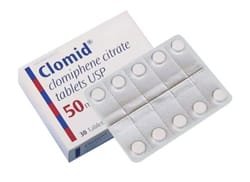
Walking into the digital pharmacy aisle can feel like wandering through a dense fog without a compass. You might be searching for a way to boost your fertility, but the internet is a wild frontier. One moment you are looking at a legitimate medical site, and the next, you are staring at a sketchy page promising miracles for a suspiciously low price.
The difference between a reputable pharmacy and a high-risk site often comes down to transparency. Legitimate providers will always demand a prescription and provide clear contact information. They don’t hide behind broken links or use high-pressure sales tactics that make you feel like you must buy right this second or lose out forever.
High-risk sites, on the other hand, operate like a game of musical chairs. They pop up, collect money, and vanish before you even realize your package isn’t coming. If a website looks like it was designed in 1998 and lacks any verifiable physical address, consider it a massive red flag. Trust your gut; if it feels wrong, it usually is.
Verifying Product Authenticity and Quality Standards
When you are investing your hard-earned money, you want to know that what arrives in the mail is the real deal. Authentic Clomid must meet strict regulatory standards to ensure the dosage is accurate. Inauthentic pills might contain nothing more than chalk, or worse, dangerous contaminants that could wreak havoc on your hormonal balance.
A legitimate pharmacy should be able to prove its credentials through third-party certifications. Look for symbols from recognized regulatory bodies that indicate the facility follows Good Manufacturing Practices (GMP). This isn’t just bureaucratic red tape; it is the safeguard that ensures your medication is pure and safe for consumption.
Always check the packaging upon arrival. A genuine product will have clear expiration dates, batch numbers, and manufacturer information. If the pills look irregular in shape or color, or if the blister pack seems poorly sealed, do not hesitate to contact your healthcare provider. You can find more medical context regarding these treatments at vcareclinics.org.
The Risks of Purchasing from Unverified Third-Party Vendors
The allure of a bargain is strong, especially when medical costs are mounting. However, buying from unverified third-party vendors is like playing Russian roulette with your reproductive health. These rogue operators often bypass the essential medical oversight required to monitor how a drug affects your specific body chemistry and cycle.
There are several layers of risk involved in these “gray market” transactions. First, there is the financial risk of being scammed. Second, there is the physical risk of receiving counterfeit drugs. Finally, there is the legal risk, as importing unapproved medications can lead to issues with customs and potential legal headaches you simply don’t need.
Imagine paying $50 for a bottle that turns out to be nothing but sugar pills. Not only have you wasted money, but you have also lost precious time in your journey toward parenthood. Time is a non-renewable resource in fertility treatments, and wasting it on a scam is a heavy price to pay.
How to Spot Red Flags in Online Pharmaceutical Listings
Identifying a scammer is often easier than you might think if you know what to look for. Keep a sharp eye out for listings that promise “no prescription required” for medications that strictly require medical supervision. If a site makes it too easy, they are likely cutting corners on safety and legality.
Another major warning sign is the presence of “too good to be true” pricing. While you might find a deal for $40, a site offering the same medication for $5 when everyone else is charging $60 is likely a trap. If the price seems like a steal, you are likely the one being caught.
Consider these common red flags when browsing through various online storefronts:
- Unsecured Payment Methods: Sites that only accept non-reversible methods like wire transfers or gift cards are a massive warning sign.
- Lack of Customer Support: If there is no phone number or a live chat that only responds with canned, robotic answers, proceed with extreme caution.
- Spelling and Grammar Errors: Professional medical sites invest in quality control; a site riddled with typos is rarely a legitimate medical entity.
- Aggressive Marketing: Constant pop-ups claiming “limited stock” are designed to trigger anxiety rather than provide helpful information.
| Feature | Reputable Pharmacy | High-Risk Site |
| Prescription | Required | Not Required |
| Pricing | Market Standard | Suspiciously Low |
| Contact Info | Transparent/Verifiable | Hidden or Fake |
Clomid Pricing and Cost-Effective Procurement
Navigating the financial landscape of fertility medication can feel like walking through a dense fog without a compass. You want to focus on your health, not your bank balance, yet the numbers can be quite a headache. Understanding the baseline costs is the first step toward making an informed decision that fits your budget.
On average, the market price for a single pill can fluctuate significantly depending on where you shop. Most users find that individual tablets typically range from $1.00 to $4.00 per unit. While these small amounts seem negligible, they can add up quickly when you are looking at a full multi-month cycle of treatment.
It is important to remember that “cheap” is a relative term in the pharmaceutical world. A low sticker price often hides a multitude of sins, such as poor quality control or delayed shipping. Always weigh the immediate savings against the long-term necessity of receiving a product that actually works as intended.
Comparing Bulk Orders and Dosage Strengths
When it comes to procurement, the old adage “the more you buy, the less you pay” holds a significant amount of truth. Purchasing small, individual quantities is often the quickest route to an empty wallet. It is convenient for a single month, but it is rarely the most economical choice for long-term use.
Bulk purchasing acts as a buffer against price spikes and ensures you don’t run out mid-cycle. Many reputable suppliers offer tiered pricing models where the cost per pill drops significantly when you move from a 30-day supply to a 90-day supply. It is a classic trade-off between upfront capital and long-term savings.
You must also consider the dosage strength in your calculations. Most prescriptions come in 25mg or 50mg tablets. While 50mg tablets might seem like a better deal because they are “stronger,” your doctor’s specific protocol dictates your actual cost. Using the wrong strength can lead to wasted medication and unnecessary expenses.
The following table provides a general overview of how different quantities and strengths might impact your total expenditure:
| Package Configuration | Dosage Strength | Estimated Total Cost |
|---|---|---|
| Small Starter Pack (30 Pills) | 25mg | $45 |
| Standard Monthly Supply (30 Pills) | 50mg | $75 |
| Bulk Value Pack (90 Pills) | 25mg | $110 |
| Bulk Value Pack (90 Pills) | 50mg | $160 |
Hidden Costs and Shipping Logistics
Price tags on a website are often just the tip of the iceberg. Many users are blindsided by shipping and handling fees that appear only at the final checkout screen. These “hidden” costs can sometimes equal the price of the medication itself, especially if you opt for expedited or international delivery.
Be wary of vendors that bury these fees in the fine print. A site might advertise a low price to lure you in, only to tack on a $20 shipping charge once your credit card is ready to be swiped. It is always wiser to look for a “total landed cost” before you commit to a purchase.
Customs duties and import taxes are another variable that can throw a wrench in your financial planning. If you are ordering from a supplier outside your domestic borders, there is always a chance that a package might be held at the border. This can lead to unexpected fees or, in the worst-case scenario, a total loss of the shipment.
Always verify the shipping policy before hitting the “buy” button. Reliable providers will be transparent about their delivery timelines and any potential extra costs. If a vendor refuses to provide clear information about how your package will arrive, they are likely hiding something that will cost you more in the end.
Shipping Logistics and Delivery Expectations
Waiting for a package to arrive can feel like a slow-motion marathon, especially when your fertility journey is on the line. You want your medication to show up exactly when you need it to align with your cycle. Uncertainty is the last thing anyone wants when they are navigating the complexities of hormone regulation and timing.
The timeline for your delivery largely depends on where you are located and the shipping method you select during checkout. It is a bit like ordering a pizza versus a specialized gourmet meal; one is quick and local, while the other requires a bit more patience and navigation through various logistical layers.
If you choose domestic shipping, you can typically expect your order to land on your doorstep within 5 to 10 business days. For those opting for international shipping, the waters get a bit deeper. You might be looking at a window of 14 to 30 days, depending on customs efficiency and the distance traveled.
To avoid any major hiccups, it is wise to plan your order well in advance. Relying on “just-in-time” delivery is a risky gamble when dealing with sensitive medications. Always build in a buffer of at least one week to ensure you never find yourself staring at an empty pill bottle.
Privacy and Discretion Protocols
When ordering sensitive items, privacy isn’t just a luxury; it is a fundamental necessity. You shouldn’t have to worry about a nosy neighbor or a curious roommate seeing a suspicious label on a package. Most reputable suppliers understand this and employ strict “stealth shipping” protocols to keep your business strictly your business.
Typically, your medication arrives in plain, nondescript packaging that looks like any other household item. You might see labels for “Health Supplies” or “Personal Care Items” rather than anything specific to fertility. This layer of camouflage ensures that your medical journey remains a private matter between you and your provider.
The outer box is usually heavy-duty to prevent any tampering or accidental damage during transit. Inside, the items are nestled securely, often in padded envelopes or small, unbranded boxes. This method protects the integrity of the pills while maintaining the highest level of confidentiality for the recipient.
If you are particularly concerned about privacy, check if the vendor offers “blind shipping.” This is a premium service where even the return address is generic. It is a small price to pay for the peace of mind that comes with knowing your medical history stays behind closed doors.
Tracking Your Order from Warehouse to Doorstep
Gone are the days of sitting by the window and staring at the driveway in hope. Modern logistics provide a digital paper trail that allows you to monitor your package’s progress in real-time. Once your order leaves the warehouse, you should receive a confirmation email containing a unique tracking number.
This number acts as your digital compass, guiding you through every stage of the journey. You can see when the package is being processed, when it has been handed over to the carrier, and when it is currently “out for delivery.” This transparency is vital for managing your expectations and your schedule.
Keep in mind that tracking updates don’t always happen in real-time. There can be gaps, especially when a package moves between different sorting facilities or crosses international borders. If the status hasn’t changed in a few days, don’t panic immediately; it usually just means it is sitting in a large container moving through a hub.
For more information on how medications are handled and regulated, you can visit this resource. Staying informed about the logistics of healthcare products can help you navigate the process with much more confidence and less unnecessary stress.
Resolving Common Shipping Issues
Even with the best intentions, shipping isn’t always a walk in the park. Occasionally, things go sideways, such as a package being marked as “delivered” when it hasn’t arrived, or a shipment getting stuck in customs. These hiccups can be incredibly frustrating when you are working against a biological clock.
If your tracking shows a delivery that never materialized, your first step should be to check with neighbors or your local post office. Often, carriers mark items as delivered a day early or leave them in a safe spot nearby. A quick chat with your local carrier can often solve the mystery.
Customs delays are another common headache, particularly for international orders. If your package is held, it is often due to missing documentation or standard inspections. In these cases, patience is your best ally. If the delay exceeds the promised window, reach out to the vendor to see if they can provide additional customs declarations.
If a package is truly lost or damaged, do not let the situation escalate into a major headache. Contact the supplier’s customer service team immediately. Most reliable companies offer a resolution, such as a replacement or a refund, provided you notify them within a reasonable timeframe from the expected delivery date.
Dosage Protocols and Usage Scenarios
Navigating the intricacies of hormonal medication can feel like trying to read a map in a storm. When it comes to Clomid, the “how” and “when” are just as vital as the medication itself. Taking it at the wrong time or in the wrong amount can throw your delicate internal rhythm completely off balance.
Precision is the name of the game here. Because this medication works by tricking your brain into thinking estrogen levels are low, the timing must align perfectly with your natural biological clock. If you miss the window, you might find yourself waiting another month just to try again. It is a game of patience and very strict adherence.
For women, the standard approach usually involves an oral administration schedule that spans a few days of the menstrual cycle. Most clinicians suggest starting the regimen on the third or fifth day of your period. This specific timing ensures that the medication hits your system right when your body is naturally preparing to release an egg.
The dosage itself typically ranges from 25 mg to 150 mg per day. Many doctors start with a lower dose of 50 mg to see how the ovaries respond before increasing it. It is like testing the waters before diving into a deep pool; you want to see how your body reacts to the initial stimulation.
Commonly Prescribed Dosage Ranges
While every body is a unique ecosystem, medical professionals generally stick to certain established patterns. It isn’t a “one size fits all” situation, as your specific hormonal profile dictates the strength needed. For many, a moderate dose is plenty to get the gears turning without overstimulating the ovaries.
The following table illustrates the typical ways these doses are structured in a clinical setting:
| Target User | Typical Dosage Range | Common Duration |
| Women (Fertility) | 25 mg – 150 mg daily | 5 days per cycle |
| Men (Off-label) | 12.5 mg – 50 mg daily | Variable (Months) |
If a woman finds that 50 mg isn’t quite doing the trick, her doctor might bump her up to 100 mg or 150 mg in subsequent cycles. However, higher doses carry a slightly higher risk of multiple births, such as twins. It is a delicate balancing act between achieving ovulation and maintaining a single pregnancy.
Cost-wise, managing these dosages can vary depending on your location and pharmacy. You might find that a monthly supply of 30 pills costs anywhere from $20 to $100, depending on the vendor’s pricing structure. Always keep an eye on the total cost when planning your long-term fertility journey.
Off-Label Usage for Male Hormonal Optimization
Clomid isn’t just a “woman’s pill,” even though that is its primary claim to fame. In the world of men’s health, it is frequently used “off-label.” This means doctors prescribe it for a purpose other than its original FDA-approved intent, specifically to boost testosterone levels in men struggling with low libido or infertility.
In men, the medication works by signaling the pituitary gland to produce more LH and FSH. This, in turn, tells the testes to crank up testosterone production and improve sperm quality. It is a clever way to jumpstart a system that has gone dormant or fallen below optimal levels.
For men, the dosage is often much lower than what women take. A common starting point might be just 12.5 mg or 25 mg daily. Because the goal is hormonal optimization rather than rapid ovulation induction, the approach is more about steady, long-term maintenance of the endocrine system.
For more detailed information on how these medications are categorized, you can check this resource. Understanding the clinical context of these different protocols can help you have much more productive conversations with your healthcare provider.
Timing the Medication with the Menstrual Cycle
Timing is everything. If you treat Clomid like a daily vitamin that you take whenever you remember, you’re likely to run into significant trouble. For women, the timing is tied directly to the start of your menstrual cycle. Taking it too late in the cycle is like trying to catch a train that has already left the station.
Most protocols require taking the pill for five consecutive days. This usually begins on day 3, 4, or 5 of your cycle. If your cycle is regular, this is easy to track. If your cycle is irregular, you’ll need to rely heavily on ovulation predictor kits (OPKs) or basal body temperature monitoring to stay on track.
The “window” of opportunity is narrow. Once the medication is finished, your body typically ovulates about 7 to 10 days later. This is the “sweet spot” for intercourse or intrauterine insemination (IUI). Missing this window by even a few days can mean the difference between a positive test and a long wait.
Consistency is your best friend during this process. If you’re using Clomid for male optimization, the timing is less about a specific day of the month and more about maintaining a steady level of the medication in your bloodstream every single day. It’s a marathon, not a sprint, and consistency is the key to success.
Comparison: Clomid vs. IVF and Other Fertility Aids
Navigating the labyrinth of fertility treatments can feel like walking through a thick fog without a compass. One moment you are looking at a simple pill, and the next, you are staring down the barrel of a massive medical procedure. It is a heavy realization that every decision carries both emotional and financial weight for a growing family.
Choosing between different paths often boils down to what your body needs and what your wallet can sustain. Some women find success with a gentle nudge from oral medications, while others require the heavy artillery of advanced clinical intervention. It is not a race, but rather a carefully measured journey toward a specific destination.
When you sit down with a specialist, they will likely present a spectrum of options. This spectrum ranges from the “low-stakes” approach of medication to the high-intensity environment of a laboratory. Understanding these differences upfront can help you manage expectations and plan your road to parenthood with much more clarity and confidence.
The Financial Reality: Cost vs. Investment
Let’s talk about the elephant in the room: the cost. For many couples, the price tag of fertility care is the most significant barrier to entry. It is a daunting mountain to climb when you realize that a single cycle of IVF can easily run between $10,000 and $20,000. This isn’t just a minor expense; it is a life-altering financial commitment.
In stark contrast, Clomid is often viewed as the budget-friendly alternative. A typical monthly supply might only cost a fraction of a single IVF cycle. When you are trying to make ends meet while also trying to build a family, that price gap feels like a canyon. It makes the medication an incredibly accessible starting point for those on a budget.
While IVF offers a higher chance of success for complex issues, it also brings a mountain of “hidden” costs. You have to account for extra ultrasounds, bloodwork, and specialized medications that can drive the total even higher. It is a classic case of weighing a high-cost, high-reward gamble against a low-cost, steady-effort approach.
Ultimately, the choice often depends on your insurance coverage and your long-term savings. Many families use Clomid as a “trial run” to see if nature can be coaxed into cooperation before they commit to the massive financial undertaking of more intensive, high-tech medical interventions.
Invasiveness and the Physical Experience
There is a massive difference between swallowing a small pill and undergoing a series of medical procedures. Clomid is remarkably non-invasive. You simply take a tablet at home, perhaps once a day for a few days. There are no needles, no hospital visits required for the administration, and no surgical recovery periods to worry about.
IVF, on the other hand, is a much more intense physical ordeal. It involves frequent, often painful, hormonal injections that you or a partner must administer. These injections aim to stimulate the ovaries to produce multiple eggs, which requires a much higher level of physiological stress than a simple oral dose of medication.
Beyond the needles, IVF requires a retrieval procedure, which is a minor surgical event performed under sedation. It is a significant time commitment that often requires multiple clinic visits in a very short window of time. This can be a major disruption to your work schedule and your general sense of physical well-being.
For many, the “hassle factor” is a deciding factor in their treatment choice. If your body responds well to oral stimulation, why opt for the bruising and the clinical atmosphere of an IVF lab? It is often a choice between a quiet, private routine and a highly managed, clinical experience.
Success Rates and Specific Infertility Types
Not all infertility is created up to the same blueprint. A “one size fits all” approach simply does not work in reproductive medicine. Success rates vary wildly depending on whether you are dealing with irregular ovulation, blocked tubes, or issues with sperm motility. It is about finding the right tool for the specific job.
Clomid shines when the primary issue is anovulation, such as in women with PCOS. For these individuals, the medication is a game-changer, helping to trigger the release of an egg that otherwise might never come. If the “engine” just needs a little spark, Clomid is often the most effective and efficient way to get things moving.
However, if the problem lies in the plumbing—such as blocked fallopian tubes—Clomid might be like trying to fix a broken pipe with a new faucet. In those cases, IVF is often the only viable path forward. The technology allows doctors to bypass the natural pathways and bring the egg and sperm together in a controlled environment.
Statistics show that about 30% to 40% of women achieve pregnancy within six cycles of using Clomid. While those aren’t guaranteed numbers, they represent a significant increase in chance for many. For more detailed clinical perspectives, you can review the medical frameworks outlined here.
Why Clomid Remains the First-Line Defense
If there are so many advanced options available, why do doctors still reach for the Clomid prescription pad first? The answer is simple: it is the most logical first step. It is the “low-hanging fruit” of fertility medicine, offering a way to test the waters without jumping into the deep end.
Doctors prefer starting with Clomid because it is a time-tested method with a very predictable mechanism of action. It allows the body to work within its natural biological rhythms as much as possible. It is a way to see if the hormonal signaling system is functional before moving to more complex interventions.
It also serves as an excellent diagnostic tool. If a woman responds well to Clomid and ovulates predictably, her doctor has gained vital information about her reproductive health. If she does not, it provides a clear signal that more intensive investigations, like IVF or IUI, are necessary to achieve a pregnancy.
Think of it as the “entry-level” phase of a much larger journey. By starting with the most conservative, least invasive, and most affordable option, couples can navigate their way toward parenthood with a much more manageable level of stress and a clearer understanding of their own unique biology.
Safety Profile and Managing Side Effects
Navigating the world of fertility medication can feel like walking through a dense fog without a compass. While Clomid is often the “go-to” for many, it is not a magic wand that comes without a few bumps in the road. Understanding the physical and emotional landscape of this medication is vital for anyone embarking on this journey.
Most users find that the physical sensations are manageable, but they are certainly noticeable. It is not uncommon to feel like your body is running a marathon even when you are just sitting on the sofa. These sensations are typically a sign that your hormones are doing their heavy lifting, but they still require attention.
Commonly reported physical side effects include:
- Nausea or mild stomach upset
- Tenderness in the breasts, similar to what you might feel during a period
- Occasional headaches or dizziness
- Bloating and pelvic discomfort
While these symptoms might feel like a nuisance, they are often fleeting. Think of them as the “growing pains” of your reproductive system recalibrating itself. Most women find that these sensations subside once the medication cycle is complete and the body settles into its new rhythm.
Hormonal Fluctuations and Emotional Impact
If physical side effects are a nuisance, emotional shifts can feel like a rollercoaster in a thunderstorm. Because Clomid works by altering the way your brain perceives estrogen, it can inadvertently tug at your emotional strings. One moment you might feel on top of the world, and the next, you might feel like crying over a spilled glass of water.
This emotional volatility is a direct result of the hormonal surge intended to trigger ovulation. It is not just “in your head”; it is a physiological response to the shifting levels of FSH and LH. Managing these swings requires a great deal of patience and a supportive partner who understands that your mood isn’t a choice.
It is helpful to communicate with your partner about these shifts before they happen. A simple, “I might be a bit extra sensitive this week due to my medication,” can prevent many unnecessary arguments. Being proactive about your mental well-being is just as important as tracking your ovulation windows.
Some women also report changes in libido or sudden bouts of irritability. If you find that your mood is significantly impacting your quality of life or your relationship, it is a signal to take a breath and evaluate your approach. You shouldn’t have to feel like a stranger to yourself during this process.
When to Pause and Consult a Specialist
While most side effects are mild, there are certain “red flags” that require you to drop everything and call your doctor. It is vital to distinguish between common discomfort and something that requires immediate medical intervention. Safety should always be your North Star when self-managing your reproductive health.
You should contact a specialist immediately if you experience:
- Severe, sharp abdominal or pelvic pain
- Sudden, intense bloating or swelling
- Nausea that prevents you from eating or drinking
- Visual disturbances or severe, persistent headaches
- Shortness of breath or sudden chest pain
The risk of Ovarian Hyperstimulation Syndrome (OHSS) is rare but serious. This occurs when the ovaries overreact to the medication, causing fluid to build up in the abdomen or chest. If you feel “too good to be true” regarding your energy or, conversely, feel an overwhelming sense of physical distress, do not wait for your next scheduled appointment.
If you are purchasing medication online, ensure you are using reputable sources to avoid counterfeit products. A generic pill might cost $10, but a dangerous one can cost you your health. For a deeper dive into the clinical safety protocols, refer to the guidelines provided here.
Mitigating Risks Through Lifestyle Adjustments
You don’t have to be a passive passenger on this journey; you can take the driver’s seat by making certain lifestyle adjustments. Think of these changes as “buffer zones” that help stabilize your body while it responds to the medication. Small, consistent tweaks can make a massive difference in how you feel.
First and foremost, hydration is your best friend. Drinking plenty of water helps mitigate the bloating and headaches that often accompany hormonal shifts. Similarly, focusing on an anti-inflammatory diet can help soothe the physical discomforts. Think of it as feeding your body the premium fuel it needs for this intense biological work.
Stress management is perhaps the most underrated tool in your arsenal. High cortisol levels act like static on a radio, making it harder to hear the clear signals of your reproductive hormones. Whether it is yoga, reading, or a quiet walk, finding a way to lower your baseline stress can support your overall success.
Lastly, monitor your weight and nutrition carefully. While extreme dieting is never recommended, maintaining a healthy, stable weight provides a much more predictable hormonal environment. By approaching Clomid with both medical guidance and a holistic lifestyle, you are giving yourself the best possible chance at a successful pregnancy.
- Viagra
- Cialis
- Stromectol
- Cenforce
- Amoxil
- Levitra
- Vidalista
- Kamagra
- Zithromax
- Fildena
- Neurontin
- Lasix
- Ventolin
- Cialis Black
- Kamagra Oral Jelly
- Clomid
- Prelone
- Antabuse
- Priligy
- Viagra Soft
- Cialis Professional
- Viagra Super Active
- Synthroid
- Motilium
- Hydroxychloroquine
- Vibramycin
- Metformin
- Tadalista
- Cytotec
- Cialis Daily
- Cipro
- Female Viagra
- Cialis Soft
- Viagra Professional
- Strattera
- Inderal
- Tretiva
- Augmentin
- Cialis Super Active
- Wellbutrin Sr
- Isofair
- Diflucan
- Sildalis
- Flagyl
- Vilitra
- Propecia
- Cialis Super Force
- Estrace
- Isotroin
- Xenical
- Lumigan
- Careprost
- Baclofen
- Viagra Generic
- Cialis Generic
- Levitra Generic
- Super Kamagra
- Cobra 120mg
- Doxycycline
- Aciclovir
- Aciclovir Cream
- Vermox
- Tretinoin Cream
- Tretinoin CGel
- Prozac
- Nolvadex