
Buy Ciprofloxacin 500mg Online at the Best Prices
Optimizing Your Infection Control with Ciprofloxacin 500mg
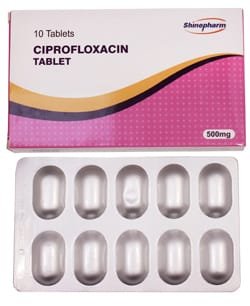
When a bacterial infection takes hold, time becomes your most precious commodity. Ciprofloxacin acts as a high-performance shield, stepping in to halt the relentless spread of pathogens. It is widely regarded as a cornerstone of modern antimicrobial therapy, particularly when clinicians need to tackle stubborn, aggressive, or complex infections that refuse to budge.
The medication’s primary role is to serve as a broad-spectrum powerhouse. It doesn’t just nudge bacteria; it aggressively disrupts their fundamental biological processes. This makes it indispensable for managing everything from complicated urinary tract infections to severe respiratory issues, providing a reliable line of defense when other medications might fall short of the mark.
Understanding how this drug works is like looking at the blueprint of a microscopic war. Ciprofloxacin targets the very engine of bacterial life, specifically the enzymes responsible for DNA replication. By interfering with these vital components, it effectively shuts down the enemy’s ability to multiply and survive.
The Biological Mechanism of Action
Think of bacteria as tiny factories that need to copy their instruction manuals to survive and spread. Ciprofloxacin works by targeting two specific enzymes: DNA gyrase and topoisomerase IV. These enzymes are the “copy machines” of the bacterial cell, ensuring that genetic material is correctly processed and replicated during cell division.
When the drug enters the system, it binds to these enzymes, jamming the machinery. This interference prevents the bacteria from repairing their DNA or replicating it entirely. Without the ability to copy their genetic code, the bacteria cannot reproduce, causing the infection to stall and eventually collapse under the weight of its own biological errors.
This precise, surgical strike at the genetic level is what gives ciprofloxacin its formidable reputation. Unlike some antibiotics that merely weaken the bacterial cell wall, ciprofloxacin attacks the core blueprint. This direct approach is highly effective at curbing rapidly growing populations of harmful organisms before they can cause systemic damage.
Because this mechanism is so potent, the drug is often favored for its rapid onset of action. As the concentration of the medication rises in the bloodstream and target tissues, the suppression of bacterial growth begins almost immediately. This speed is a critical factor in preventing a localized infection from becoming a life-threatening emergency.
Why High-Dose 500mg Formulations Matter
Not all infections are created equal, and neither are the doses required to combat them. While lower doses might suffice for mild, superficial issues, severe or deep-seated infections require a much more aggressive approach. This is where the 500mg formulation becomes a vital tool in the medical arsenal.
For infections that have penetrated deep into vital organs—such as the kidneys or the prostate—the medication must maintain a high concentration despite the body’s natural defenses. The 500mg dose provides a robust “payload” of the drug, ensuring that therapeutic levels remain high enough to penetrate these difficult-to-reach anatomical spaces.
Using a higher dose is often a strategic necessity to ensure that even the most resilient bacteria are overwhelmed. In cases of pyelonephritis or complicated abdominal infections, the goal is to achieve maximum tissue penetration. The extra strength in a 500mg tablet helps ensure that the drug reaches the site of infection in sufficient quantities to do its job.
Patients often find that these higher-strength options are essential for achieving complete eradication. If the dosage is too low, the “weakest” bacteria might survive, potentially leading to a rebound infection or, even worse, the development of antibiotic resistance. Choosing the right strength is a calculated decision aimed at total victory over the pathogen.
Below is a comparison of common purchasing options for different dosage strengths and quantities to help you plan your treatment effectively.
| Dosage & Quantity | Order Plan Type | Total Cost |
|---|---|---|
| 250mg (30 Tablets) | Standard Starter | $39.95 |
| 500mg (30 Tablets) | High-Strength Course | $55.50 |
| 500mg (60 Tablets) | Extended Therapy | $92.00 |
| 750mg (30 Tablets) | Maximum Strength | $68.75 |
The Necessity of Rapid Eradication
In the race against an infection, every hour counts. Rapid bacterial eradication is not just about feeling better faster; it is about preventing the infection from spreading into the bloodstream—a condition known as sepsis. When bacteria multiply unchecked, they release toxins that can trigger a massive, dangerous inflammatory response throughout the entire body.
By stopping the bacteria in their tracks through rapid suppression, ciprofloxacin helps minimize this toxic load. This reduction in bacterial byproduct can significantly ease the symptoms of inflammation, such as fever and intense pain, providing the patient with much-needed relief during the early, most uncomfortable stages of the illness.
Furthermore, rapid control reduces the likelihood of the infection establishing a permanent foothold in the body. Some bacteria are experts at hiding within host cells or forming biofilms that are incredibly difficult to penetrate later on. Catching the infection early and hitting it hard with effective dosing can prevent these protective strategies from ever taking root.
For more information on managing specific urinary tract issues with this medication, you can visit the experts at denverurologyclinic.com. They provide detailed insights into how ciprofloxacin is used to manage complex urological infections effectively.
Ultimately, the goal of any antimicrobial therapy is to achieve a clean sweep. A successful course of treatment doesn’t just manage the symptoms; it eliminates the source of the problem. By utilizing high-performance medications like ciprofloxacin, healthcare providers aim to restore the body to its natural, healthy state as quickly and safely as possible.
Common Clinical Uses and Dosage Scenarios
When a physician reaches for ciprofloxacin, they are often dealing with a bacterial invader that has already made itself quite at home. This medication isn’t just a general-purpose tool; it is a precision instrument designed to hunt down specific types of pathogens. It is particularly renowned for its ability to seek out and destroy bacteria in the urinary tract and the respiratory system.
Urinary tract infections (UTIs) are perhaps the most frequent reason for this prescription. Whether it is a simple bladder infection or a much more serious case of pyelonephritis—where the infection has climbed up into the kidneys—ciprofloxacin is a heavy hitter. It penetrates the renal tissues effectively, tackling the bacteria before they can cause permanent kidney damage or move into the bloodstream.
Beyond the urinary system, this antibiotic is a staple for managing complex gastrointestinal and respiratory threats. If a patient is battling a severe case of complicated pneumonia or a stubborn intestinal infection like certain types of traveler’s diarrhea, cipro can be a lifesaver. It moves through the body’s systems with a high degree of efficiency, ensuring the “enemy” is suppressed on multiple fronts.
For those seeking to manage their supply, you can find reliable options at Allvet. They provide standardized 500mg tablets that are essential for maintaining the steady therapeutic levels required for these serious clinical applications.
Navigating Dosage Strengths and Durations
Choosing the right strength is like choosing the right caliber for a task; too little won’t do the job, and too much might be unnecessary. Clinicians generally select from three primary strengths: 250mg, 500mg, and 750mg. Each serves a distinct purpose based on the severity and location of the infection within the patient’s body.
The 250mg dose is often used for milder, localized infections or as part of a combination therapy. It is a lighter touch for when the bacterial load is low. On the other hand, the 500mg dose is the workhorse of the group. It is the standard for most acute infections, providing enough “punch” to ensure the drug reaches high concentrations in the blood and tissues.
When things get truly serious, such as in cases of bone infections or severe abdominal distress, the 750mg strength may be deployed. This higher concentration is a “scorched earth” approach, intended to overwhelm even the most resilient bacterial colonies. It ensures that the medication is not just present, but dominant, in the site of the infection.
A common mistake patients make is stopping their pills once they start feeling better. “I feel fine, so I’ll skip the rest of the week” is a dangerous thought process. Adherence to the full duration—whether it is five days or fourteen—is absolutely non-negotiable. Cutting a course short is like stopping a fire while there are still glowing embers; it leaves the door wide open for the infection to return, often stronger and more resistant than before.
To help you visualize how these dosages compare in terms of cost and quantity, consider the following breakdown:
| Dosage Strength | Common Use Case | Typical Quantity | Estimated Price |
| 250mg | Mild/Localized Infections | 30 Tablets | $39.95 |
| 500mg | Standard Acute Infections | 30 Tablets | $55.50 |
| 500mg | Extended/Complex Therapy | 60 Tablets | $92.00 |
| 750mg | Severe/Deep-Seated Infections | 30 Tablets | $68.75 |
Navigating the Online Marketplace Safely
Steering through the digital pharmacy landscape can feel like walking through a minefield without a map. You might be looking for a simple way to manage an infection, but the sheer variety of websites can be overwhelming. It is vital to distinguish between a legitimate medical provider and a shady corner of the internet that might jeopardize your health.
Think of it like buying a car; you wouldn’t purchase a vehicle from a random person in a dark alley just because they offered a massive discount. The same logic applies to your medicine. You need to ensure that the pills arriving at your doorstep are exactly what the label claims they are, containing the correct dosage and ingredients.
Safety isn’t just a suggestion; it is a necessity when dealing with potent antibiotics. A single mistake can lead to much more than a wasted $50; it can lead to a serious medical crisis. Being a savvy consumer means doing your homework before you ever click that “buy now” button.
Identifying Verified and Accredited Pharmacies
The first step in your journey is looking for the “seal of approval.” In the United States, the gold standard is often the VIPPS (Verified Internet Pharmacy Practice Standards) accreditation. This badge tells you that the pharmacy meets rigorous standards for safety and quality, ensuring they aren’t just a storefront for counterfeit goods.
Look for physical addresses and valid contact information on the website. A legitimate pharmacy won’t hide its identity behind a generic “Contact Us” form alone. They should have a real-world presence and a way to reach a licensed professional if you have questions about your order or your specific dosage.
Another hallmark of a professional operation is transparency regarding their shipping and return policies. If a website is vague about how they handle damaged goods or if they simply refuse to provide a customer service phone number, consider that a major red flag. A real business stands behind its products and its service.
Always verify if the pharmacy is licensed in your specific state. Most reputable online vendors will have a clear section detailing their pharmacy license numbers. If they refuse to provide this information, it is time to close that tab and look elsewhere for your healthcare needs.
The Risks of Unregulated Sellers
Unregulated sellers are the “wild west” of the internet. They often lure customers in with prices that seem too good to be true—sometimes as low as $10 for a full course. While a $10 price tag is tempting, the hidden cost could be your physical well-being or even your life.
These rogue vendors operate outside the reach of the FDA and other regulatory bodies. This means there is absolutely no oversight regarding how the medication was manufactured, how it was stored, or whether it is even actually ciprofloxacin. You are essentially gambling with your health every time you place an order.
The consequences of using these sellers can be dire. You might receive pills that contain the wrong amount of active ingredient, or worse, no active ingredient at all. This is particularly dangerous with antibiotics, as an improper dose can fail to kill the bacteria, leading to more severe infections or antibiotic resistance.
Furthermore, these sites are often hotbeds for identity theft. When you enter your credit card information into an unencrypted, unregulated site, you are handing your financial life over to criminals. It is much safer to pay a slightly higher price to a verified entity than to risk your financial security.
How to Spot Counterfeit or Substandard Medications
Even if a site looks professional, there are subtle clues that can tip you off to a counterfeit product. Pay close attention to the packaging and the physical appearance of the tablets themselves. If the pills look different from what you have received from a local pharmacy, do not take them.
Watch out for these common red flags:
- Packaging inconsistencies: Misspelled words, blurry printing, or unusual colors on the box.
- Texture and smell: Tablets that are crumbling, have strange odors, or look significantly different in shape.
- Unrealistic claims: Websites that promise “miracle cures” or claim you can skip the doctor entirely for all medications.
- Payment methods: A site that only accepts wire transfers, gift cards, or cryptocurrency is a massive warning sign.
If you suspect a medication is substandard, stop using it immediately. Taking a “dud” pill might give you a false sense of security while the infection continues to grow unchecked inside your body. It is better to deal with the inconvenience of a failed shipment than to fight a worsening infection.
The Necessity of a Valid Prescription
A valid prescription is your strongest defense against medical errors. It serves as a bridge between your doctor’s clinical expertise and the pharmacy’s dispensing process. Without it, you are essentially self-diagnosing, which is a dangerous game to play with potent drugs like ciprofloxacin.
A doctor’s oversight ensures that the medication is actually appropriate for your specific condition. They check your medical history to make sure you don’t have contraindications, such as certain kidney issues or allergies, that could make ciprofloxacin dangerous for you specifically. This step is non-negotiable for safe use.
If an online site offers to sell you ciprofloxacin without a prescription, walk away immediately. This is a major violation of safety protocols and a clear sign that the vendor is operating illegally. Legitimate, safe online pharmacies will always require you to consult with a healthcare professional first.
If you need a prescription but don’t want to make a trip to a local clinic, there are safe, digital ways to handle this. You can use a legitimate telehealth service to speak with a provider and get a valid prescription sent to your pharmacy of choice. For a structured approach, you can follow the steps to get a prescription for ciprofloxacin through a verified provider.
Shipping, Delivery, and Logistics Expectations
Navigating the logistics of antibiotic delivery requires a clear understanding of how your order travels from a warehouse to your front door. When you order medication, you aren’t just buying pills; you are purchasing a time-sensitive medical intervention. Knowing the difference between domestic and international shipping is vital for ensuring your treatment begins exactly when it should.
Domestic shipping is generally the “fast lane” for your medication. Within the same country, you can typically expect your package to arrive within 3 to 7 business days. Most verified pharmacies use standard or expedited ground shipping to keep costs low for the consumer. It is a predictable process that minimizes the time you spend waiting for relief.
International shipping, however, is a different beast entirely. While it can sometimes be more cost-effective, you must prepare for longer timelines, often ranging from 2 to 4 weeks. Customs inspections can act as a bottleneck, causing unexpected delays at the border. If you are dealing with a sudden, aggressive infection, relying on international transit is a gamble you might not want to take.
To keep yourself in the loop, always utilize the tracking number provided by your pharmacy. Modern logistics allow you to monitor your package’s journey in real-time. From the moment the box leaves the climate-controlled warehouse to the final hand-off by the courier, digital tracking is your best friend. If the status hasn’t updated in several days, reach out to customer support immediately.
Managing delays during an acute infection is a high-stakes situation. If you feel your symptoms worsening while waiting for a shipment, do not simply “tough it out.” Contact your healthcare provider immediately. They may be able to provide an emergency bridge prescription that you can fill at a local retail pharmacy to ensure your treatment isn’t interrupted.
Temperature control is the silent guardian of antibiotic efficacy. While many tablets are stable, certain formulations or the environmental conditions during transit can impact their potency. High heat in a delivery truck or freezing temperatures in an uninsulated cargo hold can degrade the chemical structure of your medication. This is why packaging standards are non-negotiable for high-quality vendors.
Reliable pharmacies use specialized packaging to combat these environmental risks:
- Insulated Liners: Thermal barriers that protect the contents from extreme heat.
- Gel Packs: Used primarily for highly sensitive or liquid-based medications.
- Tamper-Evident Seals: Ensuring the integrity of the contents from the facility to your hands.
- Corrugated Outer Boxes: Providing physical protection against crushing during transit.
When your package arrives, inspect it before opening the individual blister packs. If the box looks crushed, water-damaged, or has been left in the sun, contact the vendor. You can find more information regarding specific product details and availability through authorized sources like Health Warehouse.
Ultimately, the goal of a professional logistics chain is to make the delivery feel invisible. You want the medication to appear as if it were plucked from a shelf just down the street. When a pharmacy fails at this, they fail at the most critical part of the patient experience: providing timely, reliable access to healing.
Minimizing Risks and Maximizing Therapeutic Results
Taking an antibiotic is like navigating a narrow path through a dense forest; you must stay on the trail to reach the clearing. While ciprofloxacin is a heavy hitter against bacteria, it doesn’t come without its own set of rules. To get the most out of your treatment, you need to be proactive about how you take it and what you avoid.
Common side effects often include a bit of an upset stomach or mild nausea. Think of this as your body’s internal gears shifting to accommodate the new medication. If you find yourself feeling a little queasy, try taking your dose with a glass of water or a light snack to buffer the impact on your stomach lining.
In some cases, you might experience more significant issues like diarrhea or a headache. While these can be annoying, they are often temporary. However, if you notice anything unusual—especially signs of an allergic reaction like a sudden rash or swelling—stop use and call your doctor immediately. It is better to be safe than sorry when dealing with potent drugs.
Managing Common Side Effects
If you experience mild nausea, don’t just push through it blindly. Often, taking the medication with food can act as a “cushion” for your stomach. However, be careful with certain foods, as we will discuss later, because timing is everything when it comes to how your body absorbs the medicine.
For those dealing with mild stomach cramps, staying well-hydrated is your best defense. Dehydration can exacerbate many side effects, making you feel more fatigued than you actually are. Keep a water bottle nearby and sip steadily throughout the day to keep your system running smoothly while the antibiotic does its work.
If you experience any changes in tendon pain—specifically in your ankles, hands, or wrists—take it very seriously. This is a specific side effect associated with fluoroquinolones. If you feel a sudden “twinge” or persistent ache in a tendon, stop the medication and contact a professional. It is a rare but critical side effect that requires immediate medical attention.
Contraindications and When to Avoid
Not everyone is a candidate for ciprofloxacin. It isn’t a “one size fits all” solution, and certain medical histories make it a risky choice. For instance, if you have a history of tendon issues, your doctor might look for an alternative. It is a matter of weighing the benefits of treating the infection against the risk of physical injury.
People who are pregnant or breastfeeding are generally advised to avoid this medication unless no other options exist. The drug can cross the placenta, and doctors prefer to use safer alternatives during these critical stages of development. Always be transparent with your provider about your pregnancy status or plans to conceive.
Those with a history of Myasthenia Gravis—a neuromuscular disorder—should also exercise extreme caution. Ciprofloxacin can potentially worsen muscle weakness in these patients. It is vital to have a detailed conversation with a healthcare provider to ensure the medication doesn’t clash with your underlying neurological health or existing conditions.
The Danger of Skipping Doses or Stopping Early
Imagine you are fighting a battle against an army and you decide to retreat just as you start winning. That is exactly what happens when you stop taking your antibiotics early. Even if you feel 100% better after two days, the strongest bacteria might still be lurking in your system, waiting for a chance to strike back.
Skipping doses is equally dangerous because it creates “gaps” in the concentration of the drug in your bloodstream. These windows of low exposure allow the bacteria to learn how to fight the medicine. This process, known as antibiotic resistance, makes future infections much harder to treat and can lead to much more expensive medical bills down the line.
You must complete the entire course exactly as prescribed. If you were given a 7-day supply, you finish all seven days. Think of it as a commitment to total eradication. If you find the cost of a full course is a concern, it is better to discuss a different treatment plan with your doctor than to attempt to “stretch” your pills.
Interactions with Food and Supplements
What you eat can significantly change how much medicine actually makes it into your bloodstream. For example, dairy products like milk, yogurt, or cheese are high in calcium, which acts like a magnet, binding to the antibiotic and preventing it from being absorbed. This can render the $39.95 dose you paid for almost useless.
Similarly, multivitamins and supplements containing iron or magnesium can interfere with the medication’s effectiveness. If you are taking a daily multivitamin, try to space it out by several hours from your dose of ciprofloxacin. It is all about managing the timing to ensure the drug reaches its target without being intercepted by your breakfast.
You should also be cautious with caffeine. Ciprofloxacin can interfere with how your body processes caffeine, potentially making you feel more jittery or anxious than usual. If you find yourself feeling “on edge,” try cutting back on the coffee until you have finished your treatment course. Managing these small details is the key to maximizing your results.
For more detailed medical information regarding specific protocols for treating infections, you can consult resources such as the Denver Urology Clinic.
- Viagra
- Cialis
- Stromectol
- Cenforce
- Amoxil
- Levitra
- Vidalista
- Kamagra
- Zithromax
- Fildena
- Neurontin
- Lasix
- Ventolin
- Cialis Black
- Kamagra Oral Jelly
- Clomid
- Prelone
- Antabuse
- Priligy
- Viagra Soft
- Cialis Professional
- Viagra Super Active
- Synthroid
- Motilium
- Hydroxychloroquine
- Vibramycin
- Metformin
- Tadalista
- Cytotec
- Cialis Daily
- Cipro
- Female Viagra
- Cialis Soft
- Viagra Professional
- Strattera
- Inderal
- Tretiva
- Augmentin
- Cialis Super Active
- Wellbutrin Sr
- Isofair
- Diflucan
- Sildalis
- Flagyl
- Vilitra
- Propecia
- Cialis Super Force
- Estrace
- Isotroin
- Xenical
- Lumigan
- Careprost
- Baclofen
- Viagra Generic
- Cialis Generic
- Levitra Generic
- Super Kamagra
- Cobra 120mg
- Doxycycline
- Aciclovir
- Aciclovir Cream
- Vermox
- Tretinoin Cream
- Tretinoin CGel
- Prozac
- Nolvadex