
Buy Doxycycline 100mg Online: Best Prices and Fast Delivery
Current Market Pricing for Doxycycline 100mg
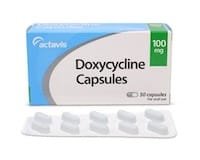
Navigating the landscape of prescription costs can feel like walking through a thick fog without a compass. One day, you find a bargain, and the next, the price seems to have jumped through a hoop. When looking for doxycycline 100mg, understanding the fine print is the only way to keep your wallet from feeling the sting of unexpected expenses.
Price tags often fluctuate depending on how you choose to receive your medication. It is not just about the pills themselves, but the logistics of getting them into your hands. Whether you prefer the comfort of your living room or the speed of a local storefront, each route carries its own unique set of financial implications.
Many patients find themselves caught between the convenience of the digital age and the traditional reliability of a brick-and-mortar shop. It is a tug-of-war between saving a few bucks today and the immediate need for your treatment. Knowing these differences upfront can save you a significant amount of headache and cash.
Comparison of Delivery and Pickup Options
Home delivery is the modern traveler’s best friend, offering a seamless experience that avoids the hassle of driving. For those with busy schedules, having your prescription arrive at your doorstep is worth its weight in gold. However, this convenience often comes with a small premium for the service and shipping involved.
On the flip side, local pharmacy pickup remains a stalwart of the healthcare industry. It allows you to grab your medication while running other errands, making it a very efficient choice for the proactive individual. While it might seem like a simple task, the cost can vary wildly depending on the specific pharmacy’s pricing model.
If you are looking for more details on how to manage your prescriptions effectively, you can visit https://www.kirkeyecenter.com/order-doxycycline/ to learn about professional options. Often, the “Everyday Low Price” model at major online retailers makes pickup almost identical in cost to home delivery, but with the added benefit of zero wait time.
The following table provides a snapshot of how different purchasing methods and quantities typically compare in the current market:
| Option/Quantity | Estimated Cost | Primary Benefit |
| 20-Capsule Starter Pack (Home Delivery) | $11.80 | Free Shipping & Convenience |
| 20-Capsule Starter Pack (Local Pickup) | $11.87 | Immediate Availability |
| Bulk Generic Monthly Supply | $25.00+ | Long-term Savings |
| Quick Save Program Discounted Rate | Varies | Lowest Possible Price |
Starter Packs and Savings Programs
For those just beginning a course of treatment, a 20-capsule starter pack is a common gateway. These smaller quantities are designed to be accessible, ensuring you can begin your regimen without a massive upfront investment. They are the “taster” of the pharmaceutical world, providing exactly what you need to get moving.
The pricing for these starter packs usually hovers around the $11.80 mark for home delivery. While it might seem like a small amount, these costs can add up if you are managing multiple medications. Always check if the price includes shipping to avoid a “surprise” charge at the final checkout screen.
Many providers offer a “Quick Save” program, which acts as a golden ticket for the budget-conscious. By enrolling in these programs, you can unlock the lowest prices available on generic medications. It is a bit like joining a private club where the membership fee is zero, but the rewards are substantial savings.
Using these programs can significantly lower the barrier to entry for necessary antibiotics. It is worth checking if your current pharmacy participates in such schemes before you commit to a purchase. A little bit of research now can prevent you from paying full price for something you could have obtained much cheaper.
Generic Brand Variations
Not all generics are created equal in the eyes of the consumer. While they contain the same active ingredient, the “brand” name of the generic can cause price swings. You might see names like Monodox or Acticlate, which can lead to confusion when comparing your receipt to a friend’s.
These variations often stem from different manufacturers and their specific distribution chains. One company might have a massive surplus, driving their price down, while another keeps their margins higher. It is a bit like buying apples; one orchard might be much cheaper than the one next door for the same fruit.
When shopping, keep a close eye on the active ingredient rather than the brand name on the bottle. Focusing on the 100mg dosage requirement ensures you are getting the right strength regardless of the label. This approach allows you to hunt for the best deal without sacrificing the quality of your care.
Comparing Online Delivery vs. Local Pickup
When you are juggling a million tasks, the last thing you want to do is fight through rush hour traffic just to grab a prescription. For those with a packed calendar, the convenience of free home delivery is truly worth its weight in gold. It turns a chore into a non-event, allowing you to manage your health from the comfort of your sofa.
The digital route is a lifesaver for anyone who feels like their schedule is constantly running a mile ahead of them. Instead of making a dedicated trip, you simply wait for the package to arrive. It is a seamless process that integrates perfectly into a modern, fast-paced lifestyle without any extra fuss.
However, convenience is not the only factor to weigh when deciding how to obtain your medication. You must balance the ease of your front porch delivery against the immediate gratification of walking into a shop. Both paths have their own unique merits depending on your specific situation and current needs.
The Power of a Massive Pharmacy Network
If you decide to opt for local pickup, you are not limited to the small corner shop on your block. Many online services tap into a massive network of over 35,000+ participating pharmacies. This vast reach ensures that you can find a location that is actually on your route, making the process incredibly efficient.
This expansive network is a game-changer for those living in more remote areas or suburban sprawls. It bridges the gap between digital convenience and physical accessibility, ensuring you aren’t left searching for a specific brand. It is like having a giant map of healthcare options right in the palm of your hand.
The beauty of this system lies in its sheer scale and flexibility. You can choose to pick up your order at a convenient supermarket pharmacy or a dedicated local drugstore. This flexibility ensures that your healthcare fits into your life, rather than forcing you to bend your schedule to fit a pharmacy’s hours.
For those looking to see how these networks operate, you can explore options like https://www.blinkhealth.com/doxycycline-hyclate?srsltid=AfmBOopxQm3d-zRvlhrc_mLaUuYLrqD2uN5UbZRAbF3LryfZ4liIt5dG to understand the different ways to access your prescriptions.
Speed and Service Expectations
Time is of the essence, especially when dealing with an active infection. If you need your medication right this second, local pickup is the undisputed heavyweight champion. You can often head to the store and be out the door with your prescription in hand within a very short window of time.
On the other hand, home delivery requires a bit more patience. While shipping speeds have improved significantly, you still have to account for the transit time from the fulfillment center to your doorstep. For some, a day or two of waiting is a small price to pay for the luxury of staying home.
When evaluating speed, consider the urgency of your condition. If you are feeling under the weather and need to start treatment immediately, the “wait and see” approach of home delivery might be frustrating. But if you are refilling a maintenance medication, the slow and steady pace of delivery is perfectly acceptable.
Ultimately, the “fastest” method is the one that gets the medicine into your system without unnecessary delays. Always check the estimated arrival dates before hitting the “buy” button. A little bit of foresight can save you from a long, uncomfortable wait during a time when you are feeling unwell.
Prioritizing Your Privacy and Security
Many people feel a bit shy about discussing their medical needs with a stranger at a busy pharmacy counter. This is where online delivery shines as a beacon of discretion. Receiving a package at home allows you to keep your medical business entirely between you and your physician.
Security is a common concern for those moving through the digital marketplace. You want to know that your personal information and your medical history are locked down tight. Reputable online providers use high-level encryption to ensure that your data remains private and protected from prying eyes.
It is important to look for signs of legitimacy when choosing an online provider. Look for seals like LegitScript, which indicate that the service has been vetted for safety and legality. This extra layer of verification provides peace of mind, knowing you are dealing with a professional entity.
Your privacy is not just a luxury; it is a fundamental right in the healthcare space. Whether you choose the quiet anonymity of a doorstep delivery or the discreet pickup at a large retailer, you deserve to feel secure in your choices. Always prioritize providers that make your data protection a top priority.
Common Usage Scenarios and Indications
When doctors reach for a tetracycline antibiotic, they are often looking to stop the growth of harmful bacteria. This class of medication is a versatile tool in the medical kit, tackling everything from stubborn skin issues to more systemic threats. Because it specifically targets bacterial invaders, its application depends heavily on the type of infection being addressed.
One of the most frequent reasons people seek out this medication is for managing acne. It is not just about surface-level blemishes; it works deep within to combat the bacterial triggers of inflammation. For many, it serves as a cornerstone of a long-term dermatological plan to keep skin clear and healthy.
Beyond the mirror, this antibiotic is a heavy lifter against various other bacterial infections. Whether it is a respiratory issue or a more localized infection, the goal remains the same: inhibiting the ability of bacteria to multiply. It is a targeted strike designed to restore balance to your body’s internal environment.
Bacterial Infections and Skin Health
Acne is perhaps the most visible battleground for this medication. For those struggling with persistent breakouts, a prescription can be a real lifesaver. It helps reduce the redness and swelling that make skin feel tender and look inflamed, providing a much-needed boost in confidence for many users.
However, it is vital to remember that this is not a “one size fits all” miracle pill. It is specifically designed for bacterial culprits. If your skin issues are caused by something else, such as fungal issues or purely hormonal fluctuations, this medication won’t be the magic wand you might be hoping for.
For more detailed information on how these medications are utilized in clinical settings, you can visit https://ortholazer.com/wp-content/uploads/2020/03/doxycycline.html to understand the medical nuances. Always follow your physician’s specific guidance regarding dosage and frequency to ensure the best results for your skin.
Commonly, patients might see their skin improve significantly over several weeks. It is not an overnight fix, so patience is your best friend here. Think of it as a marathon, not a sprint, as the bacteria need time to diminish before your skin can truly heal.
Malaria Prevention and Travel Protocols
For the intrepid traveler heading into tropical regions, this medication acts as a protective shield. Malaria is a serious threat, and taking preventative measures is a vital part of staying safe while exploring remote corners of the globe. It is a proactive way to stay one step ahead of the parasite.
Timing is absolutely critical when it comes to malaria prophylaxis. You cannot wait until you land in a high-risk area to start your regimen. Most protocols require you to begin taking the medication 1 to 2 days before your travel begins to ensure your system is ready for any potential exposure.
The protection doesn’t stop just because you’ve boarded your flight home. In fact, you must keep taking the daily dose for at least four weeks after leaving the malarious area. This extended period ensures that any dormant parasites are dealt with before they can cause real trouble in your body.
Failure to stick to this schedule can leave a door wide open for infection. It is like trying to build a wall while the enemy is already inside; you need that continuous coverage to stay truly protected. Always discuss your specific travel itinerary with a healthcare professional before you pack your bags.
The Viral Limitation
It is a common mistake to reach for antibiotics when you have a sniffle or a cough. However, it is crucial to understand that antibiotics are strictly for bacteria. They have absolutely no effect on viruses, which are the culprits behind the common cold and the flu. Using them for a virus is like bringing a knife to a gunfight—it’s simply the wrong tool.
Using antibiotics when they aren’t needed is more than just a waste of money; it can actually be counterproductive. When you use these drugs unnecessarily, you contribute to the rise of antibiotic resistance. This means that when you truly face a serious bacterial infection later, the medicine might not work as well as it should.
If you are feeling under the weather with flu-like symptoms, your doctor will likely recommend rest, hydration, or antiviral medications instead. Trying to “kill” a virus with an antibiotic is a biological impossibility. Understanding this distinction is key to maintaining your health and the effectiveness of our modern medicine.
Always be honest with your provider about your symptoms. If they determine the cause is viral, they will guide you toward treatments that actually address the issue, rather than prescribing something that will do nothing more than disrupt your natural gut flora.
The Importance of Completing the Course
One of the most dangerous mistakes a patient can make is stopping their medication as soon as they start feeling better. It is incredibly tempting to skip the last few days of a prescription once the symptoms vanish, but this is a trap. You might feel fine, but the most resilient bacteria might still be lurking.
Stopping early can lead to a “rebound” infection that is much harder to treat. Those surviving bacteria have been exposed to the drug but haven’t been killed, meaning they can learn how to fight it off. This makes the next bout of infection potentially more severe and much harder for doctors to manage.
Think of it as cleaning a room. If you stop sweeping when the floor looks mostly clean, you’ve still left dust and debris in the corners. Those leftovers can cause trouble again very soon. To truly clear the infection, you must finish every single pill in the prescribed bottle.
If you experience side effects that make you want to quit, don’t just stop on your own. Instead, call your doctor. They can adjust your dose or suggest taking it with food to minimize stomach upset, ensuring you stay on track to reach full recovery without unnecessary complications.
Essential Administration and Timing Tips
Taking your medication at the right time is like hitting a moving target; you have to be precise to ensure it hits the mark. For maximum effectiveness, doxycycline is best swallowed on an empty stomach. This means you should aim to take your dose at least 1 hour before a meal or 2 hours after you have finished eating.
I remember a patient who tried to squeeze their dose in right before a heavy lunch. Instead of fighting the nausea, they found that following the “empty stomach” rule made the whole process a breeze. It might feel a bit counterintuitive to take medicine without a snack, but your body absorbs the medicine much better this way.
If you find that your stomach is staging a protest, there is a bit of a balancing act involved. You can take the pill with a little food or a glass of milk to settle that churning feeling in your gut. However, keep in mind that food and milk can act like a shield, preventing the drug from being fully absorbed into your bloodstream.
It is a bit of a trade-off, really. If you choose comfort over absorption, the medicine might not work quite as well as intended. If the nausea becomes a real headache, chat with your doctor about the best way to balance your comfort with the clinical necessity of the dose. You can find more details on treatment options at https://www.redboxrx.com/treatments/doxycycline?srsltid=AfmBOooAa1bpj7I7Ve2IR6-_zR4FXFPidfm_qTgZi_-4YnZT6AZaPeKV.
The No Lying Down Rule
One of the most important rules is to stay upright for a while after swallowing your pill. Specifically, do not lie down for at least 10 minutes after taking your dose. This isn’t just a suggestion; it is vital for protecting your esophagus from irritation or even damage.
Think of it as gravity doing the heavy lifting for you. If you take your pill and immediately jump into bed, the medication might linger in your throat or slide back up. This can cause a painful sensation or irritation that is far more annoying than the infection itself.
If you are taking your dose late at night, make sure you have a glass of water handy to wash it down completely. Don’t just take a tiny sip and head for the pillows. Aim for a full 8-ounce glass of water to ensure the pill travels all the way down where it belongs.
It might seem like a small thing, but staying upright is a simple way to avoid a very unpleasant side effect. If you experience any difficulty swallowing or severe chest pain, contact a medical professional immediately, as these can be signs of esophageal irritation.
Managing Nutrient Interactions
Not all supplements are created equal when you are on an antibiotic regimen. Some common items can actually “bind” to your medication, effectively locking the medicine away so your body can’t use it. It is like trying to swallow a pill that is wrapped in a layer of thick, sticky glue.
You should avoid taking your dose within 2 to 3 hours of consuming products that contain the following:
- Calcium (found in milk, yogurt, or calcium-enriched juices)
- Iron
- Magnesium
- Aluminum (often found in antacids)
- Zinc
- Bismuth subsalicylate
This means you need to be careful with your morning multivitamin or your afternoon antacid. If you take them too close to your doxycycline, you might be wasting your time and your money. It is much better to space them out to ensure the antibiotic does its job properly.
If you are tracking costs, remember that being efficient with your medication saves money in the long run. There is no sense in paying for a prescription if your supplement routine is making it ineffective. A little bit of scheduling goes a long way in keeping your treatment on the right path.
Safety Protocols and Side Effect Awareness
While doxycycline is a powerful tool in the fight against bacterial infections, it is not without its quirks and potential pitfalls. Think of your body like a finely tuned instrument; when you introduce a strong antibiotic, you have to be mindful of how it resonates within your system. Most people navigate the course without major drama, but being vigilant is your best defense.
It is crucial to distinguish between the minor inconveniences and the genuine red flags. For instance, feeling a little “off” or having a slight stomach ache is often part of the process, but certain symptoms demand immediate attention. Being proactive rather than reactive can prevent a simple prescription from turning into a medical emergency. Knowledge is your strongest shield during treatment.
If you are purchasing medication, ensure you are using a reputable source. For example, you can find reliable information regarding specific formulations like doxycycline hyclate 100mg capsules to ensure you are getting what you need. Always keep your doctor in the loop regarding how you are feeling as the days progress.
Watching for Serious Red Flags
Sometimes, the side effects can be quite rare but very serious. One specific condition to keep on your radar is intracranial hypertension, or increased pressure inside your skull. This is a heavy topic, but it is vital to know the signs. It often presents as a persistent, severe headache that just won’t quit, even with rest.
You should also watch for changes in your vision. If you notice things looking blurred, seeing double, or experiencing a sudden loss of sight, do not wait. These visual shifts, combined with nausea or vomiting that won’t subside, are major warning signs. This condition can lead to permanent vision loss if left unaddressed, so treat these symptoms with the utmost urgency.
Other serious reactions to watch for include signs of a severe allergic reaction. If you experience swelling of the face, tongue, or throat, or find yourself struggling to breathe, that is a 911 situation. Similarly, keep an eye out for extreme dizziness or a fever that simply refuses to break. These are not “wait and see” symptoms; they require immediate medical intervention.
Sun Sensitivity and Skin Care
Taking doxycycline can essentially turn you into a human magnifying glass when you step outside. This medication is known to cause increased sun sensitivity, meaning you might burn much faster than you are used to. Even a short stroll in the afternoon sun can lead to unexpected skin irritation or painful redness.
To play it safe, think of yourself as someone who needs extra layers of protection. Don’t just rely on a quick spritz of SPF; aim for high-quality sunscreen and consider wearing wide-brimmed hats or long sleeves when you are outdoors. Avoiding tanning booths and sunlamps is also a non-negotiable rule while you are on this regimen to prevent skin damage.
If you do notice your skin blistering, turning bright red, or feeling unusually sensitive to light, reach out to your healthcare provider immediately. It is better to be overly cautious with your skin than to suffer through a severe sunburn. Protecting your skin is just as important as taking the medicine itself during your treatment period.
Managing Common Digestive Issues
Let’s talk about the “rumblings.” It is quite common to experience some stomach upset, nausea, or even mild diarrhea while taking this antibiotic. For many, it feels like a bit of a rolling sea in the gut. While these are common, they can certainly be a nuisance when you are trying to go about your daily life.
If nausea becomes a frequent companion, remember the advice about food. While a small snack can help settle a churning stomach, remember that certain foods like milk or yogurt can interfere with how much medicine your body actually absorbs. It is a delicate dance between keeping your stomach happy and making sure the drug does its job effectively.
In some rare cases, you might deal with something much more serious called *Clostridium difficile*-associated diarrhea. This is a severe intestinal condition that can occur even weeks after you finish your pills. If you experience persistent diarrhea, intense abdominal cramping, or see blood or mucus in your stool, stop using any over-the-counter anti-diarrheal medications and call your doctor immediately.
When to Seek Medical Advice
Knowing when to push through and when to call the doctor is a vital skill. If your symptoms are mild—like a slight tummy ache that passes after a snack—you might be able to manage. However, if symptoms persist or visibly worsen, it is time to pick up the phone. You shouldn’t have to guess when things are going wrong.
You should definitely contact a professional if you notice any of the following:
- Persistent or worsening diarrhea or stomach pain
- White patches appearing in your mouth (a sign of oral thrush)
- Changes in vaginal discharge or new yeast infections
- Difficulty or pain when swallowing
- Significant changes in the amount of urine you are producing
Ultimately, your doctor prescribed this medication because the benefits of treating your infection outweigh the risks. However, they are your partner in care. If you feel like something is “off,” even if you can’t put your finger on it, trust your gut. It is always better to have a conversation with a professional than to ignore a brewing problem.
Navigating the Online Ordering Process
Stepping into the digital pharmacy landscape can feel like walking through a dense fog without a compass. You want your medication, but the sheer number of websites can make anyone’s head spin. It is not just about finding the lowest price; it is about ensuring the medicine in your hand is actually what the label says it is.
Before you click that “buy” button, you need to play detective. A legitimate pharmacy won’t mind you asking for their credentials. In fact, they should be shouting them from the rooftops. If a site seems shady or refuses to show proof of their standing, it is best to close that tab immediately and walk away.
One of the most important “gold stars” to look for is LegitScript approval. This isn’t just a random badge; it is a verification that the pharmacy follows strict legal and professional standards. Think of it as a digital seal of authenticity that separates the pros from the amateurs who might sell counterfeit or unsafe pills.
Beyond the seals, always check for a valid pharmacy license from the relevant state or regional board. A real provider will have their physical address and licensing information clearly displayed. If they are playing hide-and-seek with their location, that is a major red flag that you should never ignore.
Verifying Your Pharmacy Credentials
When you are browsing, keep your eyes peeled for the LegitScript seal. You can actually click these seals on many reputable sites to verify they are authentic. It is a quick way to ensure you aren’t accidentally handing your credit card details over to a scammer lurking in the digital shadows.
You should also verify that the pharmacy is licensed in your specific area. Every legitimate online provider must adhere to the regulations of the regions they serve. If a website claims to ship anywhere in the world without any oversight, you might want to proceed with extreme caution or reconsider your choice entirely.
A quick way to cross-reference is to look for a physical address and a working phone number. If you can’t reach a human being when you have a question, you’ll be in a tight spot when your package finally arrives. A professional pharmacy will always have a way for you to get in touch.
In summary, your checklist for a safe transaction should include:
- Active LegitScript verification.
- Valid state or regional pharmacy licensing.
- A clearly listed physical business address.
- Accessible customer support via phone or email.
The Prescription Workflow
You cannot simply add antibiotics to a digital shopping cart like you would a book or a pair of shoes. Because doxycycline is a prescription-only medication, there is a vital middleman in the process: your doctor. This ensures that the medicine is actually necessary for your specific health situation.
When you decide to switch providers, you don’t necessarily have to start from scratch. Most reputable online pharmacies make the transfer process a breeze. You can simply provide them with your existing prescription details, and they will work directly with your current doctor or local pharmacist to move the order over.
The digital doctor’s role is crucial here. They act as the gatekeeper, reviewing your medical history and current symptoms to confirm that the treatment is appropriate. They aren’t just checking boxes; they are ensuring that the medication won’t clash with other things you might be taking or cause unforeseen complications.
If you are using a new online provider, you may need to have a brief consultation through their platform. This might be a video call or a detailed medical questionnaire. While it might seem like an extra step, it is a vital safeguard that protects you from taking medication that wasn’t intended for you.
Security and Privacy Protection
Your medical history is more private than your search history, and it should stay that way. When ordering online, look for websites that explicitly state they use high-level encryption to protect your data. You want to see that “lock” icon in your browser’s address bar, which indicates a secure connection.
Payment security is just as vital. Stick to well-known, encrypted payment methods. Avoid any site that asks for direct wire transfers or unconventional payment apps that offer zero consumer protection. Using a credit card often provides an extra layer of security because you can dispute charges if something goes wrong.
Privacy goes beyond just your credit card number; it includes your diagnosis and your shipping address. A professional service will have a strict privacy policy detailing how they handle your sensitive information. You shouldn’t have to worry about your medical business becoming public knowledge through a data breach.
To keep your information extra safe, consider these steps:
| Use Secure Networks | Avoid using public Wi-Fi when entering medical or payment data. |
| Check for HTTPS | Ensure the website URL starts with “https://” for encrypted communication. |
| Review Privacy Policies | Make sure they state they do not sell your personal health information. |
- Viagra
- Cialis
- Stromectol
- Cenforce
- Amoxil
- Levitra
- Vidalista
- Kamagra
- Zithromax
- Fildena
- Neurontin
- Lasix
- Ventolin
- Cialis Black
- Kamagra Oral Jelly
- Clomid
- Prelone
- Antabuse
- Priligy
- Viagra Soft
- Cialis Professional
- Viagra Super Active
- Synthroid
- Motilium
- Hydroxychloroquine
- Vibramycin
- Metformin
- Tadalista
- Cytotec
- Cialis Daily
- Cipro
- Female Viagra
- Cialis Soft
- Viagra Professional
- Strattera
- Inderal
- Tretiva
- Augmentin
- Cialis Super Active
- Wellbutrin Sr
- Isofair
- Diflucan
- Sildalis
- Flagyl
- Vilitra
- Propecia
- Cialis Super Force
- Estrace
- Isotroin
- Xenical
- Lumigan
- Careprost
- Baclofen
- Viagra Generic
- Cialis Generic
- Levitra Generic
- Super Kamagra
- Cobra 120mg
- Doxycycline
- Aciclovir
- Aciclovir Cream
- Vermox
- Tretinoin Cream
- Tretinoin CGel
- Prozac
- Nolvadex